Umbanda
Early 20th century to present
Rio de Janeiro and Southeast Brazil
Umbanda is an Afro-Brazilian religion that took shape in the early 20th century in and around Rio de Janeiro, combining African-derived devotion to the orixás with Kardecist Spiritism and Catholic elements. A traditional account dates its founding to 1908, but many scholars see it emerging from many groups in the 1920s and 1930s. Its followers organised federations from 1939 to protect their temples from police persecution.
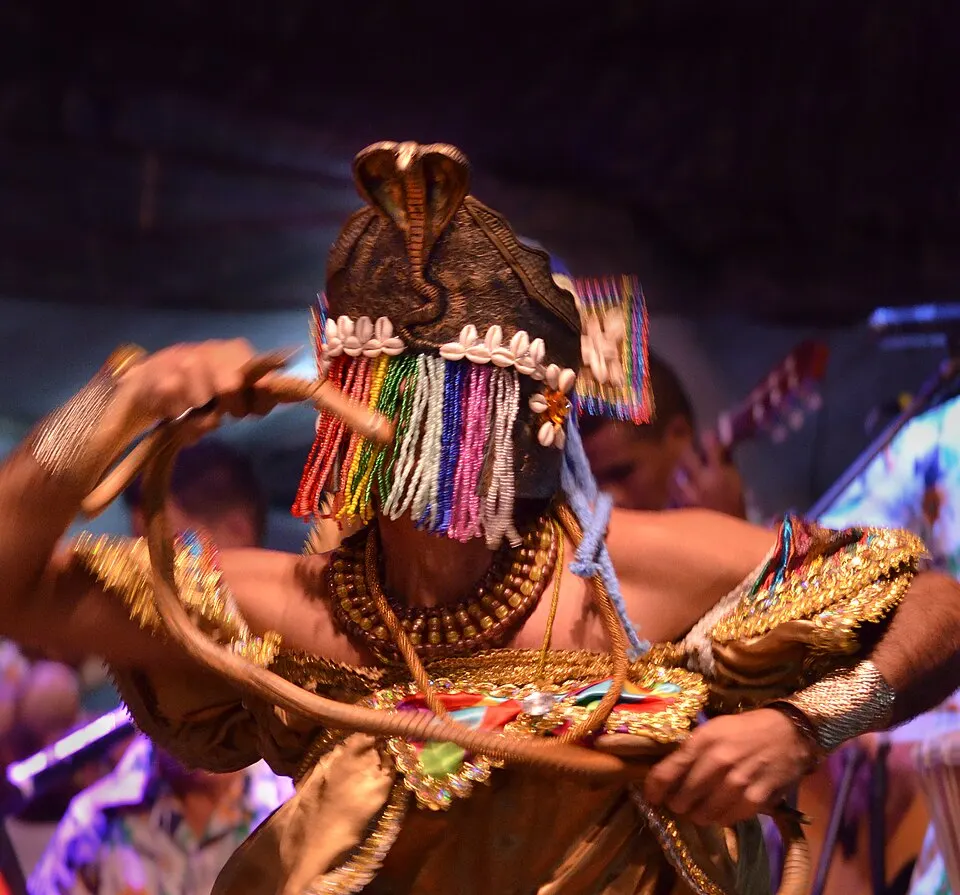
A Brazilian religion
Umbanda is a religion born in Brazil in the early 20th century, in and around the city of Rio de Janeiro. It brings together devotion to the orixás, the deities carried to Brazil by enslaved Africans, with the Spiritism of the French writer Allan Kardec and elements of Catholic practice. Mediums, who are understood to receive spirits, are central to it, as its founding story shows.
Two stories of its beginning
How Umbanda began is a real debate, and the sources present it as one.
The traditional account. Many Umbandistas date their religion to 1908 in the state of Rio de Janeiro. In this story a 17-year-old medium in Niterói, Zélio Fernandino de Moraes, received a spirit called the Caboclo das Sete Encruzilhadas (the Caboclo of the Seven Crossroads), a caboclo being a spirit understood as an Indigenous Brazilian. This is the most widely accepted founding account among followers.
The view of many historians. Scholars generally treat the single-founder story with caution. They describe Umbanda as growing out of many people and local groups rather than a single event. Around the 1920s various groups in Rio appear to have been combining Spiritist and Afro-Brazilian practices, and many scholars place the emergence of Umbanda in the 1920s and 1930s. The anthropologist Emerson Giumbelli has argued that the 1908 story was only firmly set down in the 1960s and 1970s.
African or Spiritist roots?
A second debate concerns how African Umbanda is at its root. The World Religions and Spirituality Project notes that accounts of Umbanda's esoteric beginnings can be read either as consistent with a Spiritist origin or as an attempt to deny an African one. The anthropologist Diana Brown suggested that such explanations were adopted by followers eager to distance their religion from African origins. The same project notes that the evidence is not enough to say for certain whether Umbanda began as primarily African or not. In the 1950s the two views were argued inside the religion itself: one current stressed African identity, led by Tancredo da Silva Pinto and his "Umbanda Omolocô", while another leaned toward Kardecism.
Persecution and federations
Although Brazil's constitution promised freedom of religion, police in the 1930s and 1940s still raided Afro-Brazilian ceremonies, using other laws, such as the 1941 Law of Penal Misdemeanours, to break up rituals. To defend themselves, Umbanda leaders organised. In 1939 Moraes and others founded the Federação Espírita de Umbanda, which spoke for member temples to the state and the public, and in 1941 it held the first Umbanda congress. Federations and associations also helped temples obtain the licences they needed to operate. Sources describe the end of the Vargas government in 1945 as the start of a long period of relative calm.
Umbanda today
Estimates of how many Brazilians follow Umbanda vary widely. In figures drawn from official surveys only a small share of the population names Umbanda as its religion, yet Revista Pesquisa FAPESP reports estimates from the 1970s as high as 20 million followers. It is described here historically and on its own terms; its ceremonies are not presented as instructions.
Achievements
- 1908: Traditional founding date, tied to the medium Zélio Fernandino de Moraes in Niterói
- 1920s and 1930s: Groups in Rio de Janeiro combining Spiritist and Afro-Brazilian practice, as many scholars date its emergence
- 1939: Federação Espírita de Umbanda founded to speak for temples
- 1941: First Umbanda congress
- 1950s: Debate between currents stressing African roots and those leaning toward Spiritism
Related entries
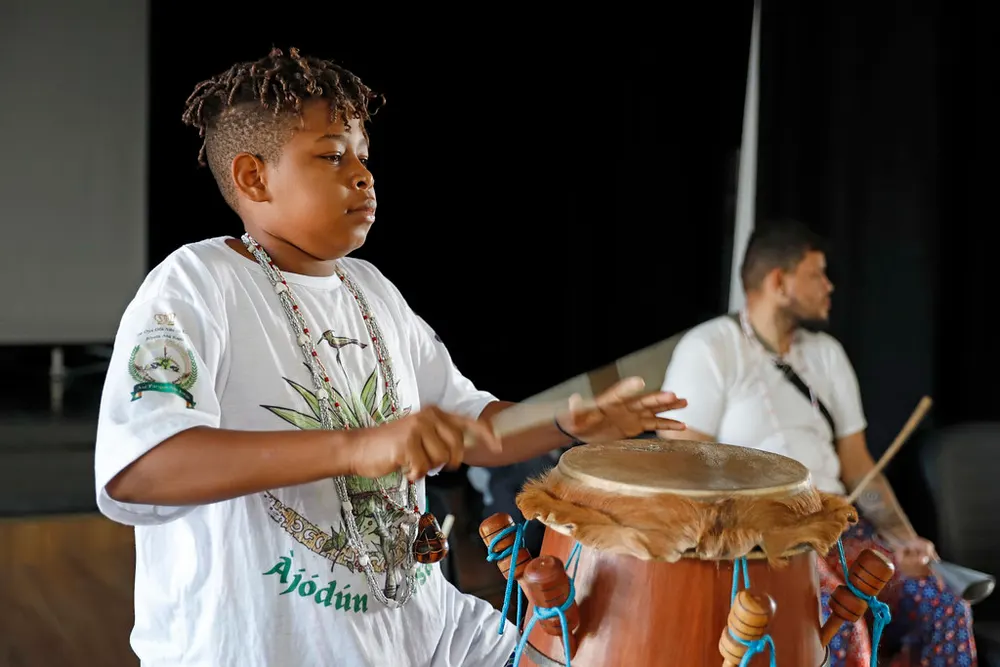 CandombléLate 18th century – presentSpiritual Traditions
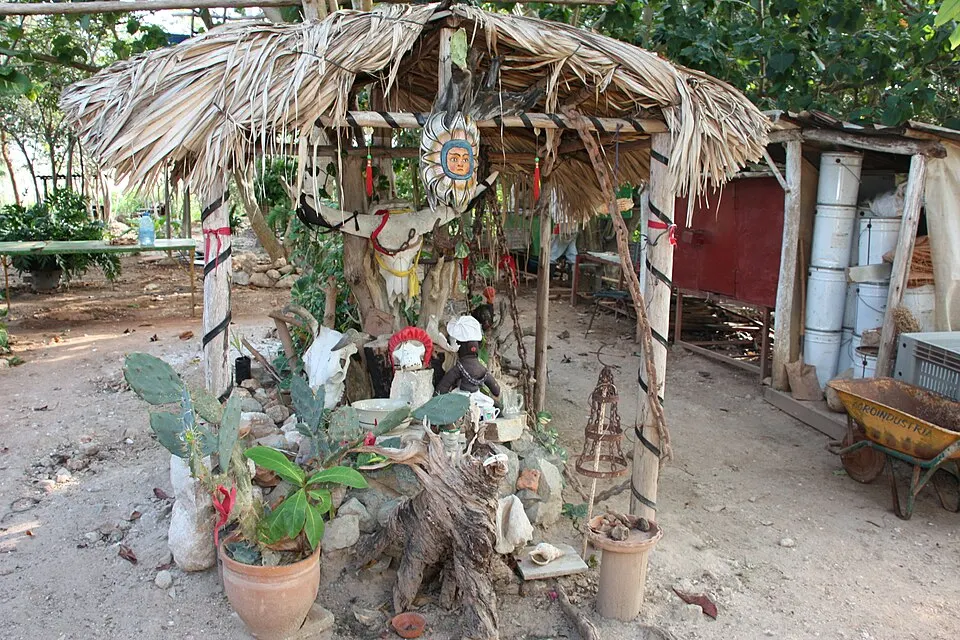 Santería (Regla de Ocha / Lucumí)19th century – presentSpiritual Traditions
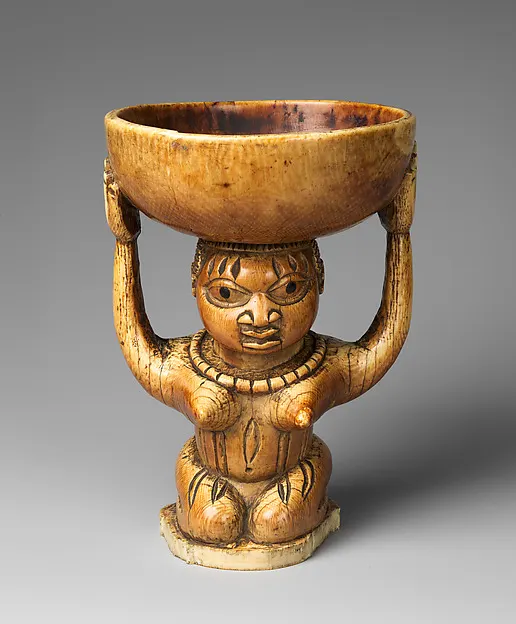 Yoruba religion and IfáAncient to presentSpiritual Traditions
 Tambor de Mina1840s to presentSpiritual Traditions
 Haitian Vodou18th century (colonial Saint-Domingue) – presentSpiritual Traditions
Sources
- Vivência (UFRN), article on the origins of Umbanda (Scholarly)
- Trilhas da História (UFMS), article on the founding myth of Umbanda (Scholarly)
- Encyclopaedia Britannica, "Umbanda" (Reference)
- World Religions and Spirituality Project, "Umbanda Timeline" (Scholarly)
- Religare (Universidade Federal da Paraíba), "As voltas da religião: o desenvolvimento histórico da Umbanda" (Scholarly)
- Revista Pesquisa FAPESP, "La fuerza social del culto umbanda" (Reference)
Share and cite
Cite this page
“Umbanda.” Kemet to Now, https://kemettonow.com/entry/umbanda.
Suggest a correction: opens once the database is connected.