Activists & Leaders
Freedom fighters, organizers, and heads of state

The Agojie, Dahomey's women soldiers
first recorded 1729 – 1890s
West Africa (present-day Benin)
An all-female military corps of the Kingdom of Dahomey, first recorded in 1729 and formally integrated into the army under King Ghezo. They took part in slave raids and fought France until 1892.
Stub: research pending
Amílcar Cabral
1924 – 1973
Guinea-Bissau and Cabo Verde
Guinea-Bissau and Cabo Verde independence leader who cofounded the PAIGC and led its armed struggle against Portuguese rule, openly declared in 1963; he was assassinated in Conakry in January 1973, shortly before Guinea-Bissau's independence.
Stub: research pending

Antonio Maceo
1845 – 1896
Cuba
Afro-Cuban general known as the 'Bronze Titan', Maceo fought in Cuba's independence wars from 1868, rejected the 1878 Pact of Zanjón, and was killed in action in December 1896.
Stub: research pending

Askia Muhammad I
r. 1493 – 1528; d. 1538
West Africa (Songhai Empire, Gao, present-day Mali)
Songhai ruler who took power in 1493, expanded the empire and made Timbuktu a centre of Islamic learning. He built his tomb at Gao in 1495 and was deposed by his son in 1528.
Stub: research pending

The Battle of Adwa
1 March 1896
East Africa (Adwa, Tigray, Ethiopia)
Battle on 1 March 1896 in which Menelik II's Ethiopian forces decisively defeated an invading Italian army under General Oreste Baratieri. It secured Ethiopia's independence and became a lasting symbol of African resistance to colonialism.

Bayard Rustin
1912 – 1987
Pennsylvania; New York; national
Quaker-raised pacifist Bayard Rustin co-founded CORE, advised Martin Luther King Jr., and was deputy director of the 1963 March on Washington; his homosexuality and past communist ties were used against him.
Stub: research pending

Benkos Biohó and San Basilio de Palenque
d. 1621
Cartagena / Bolívar, Colombia
Born in the Bijagós Islands and enslaved in Cartagena, Benkos Biohó led maroon resistance in the early 1600s and was hanged in 1621; he is remembered as a founder of San Basilio de Palenque.
Stub: research pending
Booker T. Washington
1856 – 1915
Virginia; West Virginia; Tuskegee, Alabama
Born enslaved in Virginia, Washington opened Tuskegee Institute in 1881 and became the most influential Black leader in the U.S. after his 1895 Atlanta address. His accommodationist public stance drew sharp criticism from W. E. B. Du Bois and others, even as he privately backed some legal challenges to discrimination.

Crispus Attucks
c. 1723 – 1770
Massachusetts, North America
A sailor of African and Indigenous descent, Attucks was killed by British soldiers in the Boston Massacre on March 5, 1770, and was later honored by abolitionists as the Revolution's first martyr.
Stub: research pending

Denmark Vesey
c. 1767 – 1822
Charleston, South Carolina
A free Black carpenter and AME lay preacher in Charleston, Vesey was hanged on July 2, 1822, accused of planning a large slave uprising; historians debate how real the alleged plot was.
Stub: research pending

Ella Baker
1903 – 1986
Virginia; North Carolina; New York; the U.S. South
Civil rights organizer who held senior NAACP posts, helped run the early SCLC, and in April 1960 convened the Shaw University conference that founded SNCC, championing group-centered, grassroots leadership over reliance on a single leader.

Fannie Lou Hamer
1917 – 1977
Mississippi, United States
Mississippi Delta sharecropper and plantation timekeeper who became a SNCC field secretary, cofounded the Mississippi Freedom Democratic Party, and testified against the state's all-white delegation at the 1964 Democratic National Convention.

Fred Hampton
1948 – 1969
Maywood and Chicago, Illinois
Maywood-raised organizer who led the Black Panther Party's Illinois chapter, ran community survival programs and forged the multiracial Rainbow Coalition before Chicago police killed him, aged 21, in a December 1969 raid aided by an FBI informant.

Frederick Douglass
1818 – 1895
Maryland, Massachusetts, New York and Washington, D.C., United States
Born enslaved in Maryland, he escaped in 1838 and became a leading abolitionist speaker, founder of The North Star (1847), author of three autobiographies, and later a federal official in Washington and U.S. minister to Haiti.

Gabriel (Gabriel's Rebellion, 1800)
c. 1776 – 1800
Henrico County and Richmond, Virginia
Gabriel, an enslaved blacksmith held by Thomas Prosser, organized a planned march on Richmond for August 30, 1800; a storm and informants stopped it, and he and about 25 others were hanged.
Stub: research pending

Gaspar Yanga
c. 1545 – ? (active c. 1570 – 1618)
Veracruz, New Spain (Mexico)
An African-born maroon leader near Veracruz, Yanga resisted a Spanish campaign in 1609 and won recognition of a free settlement, San Lorenzo de los Negros, now the town of Yanga.
Stub: research pending

Haile Selassie I
1892 – 1975 (emperor 1930 – 1974)
Ethiopia
Born Tafari Makonnen, he was regent of Ethiopia from 1916 and emperor from 1930. He led resistance to Italy's 1935 invasion and appealed to the League of Nations from exile, then helped found the Organization of African Unity in 1963. He was deposed in 1974.

The Haitian Revolution
1791 – 1804
Saint-Domingue (Haiti), Caribbean
Beginning with a mass uprising of enslaved people in northern Saint-Domingue in August 1791, the revolution ended slavery in the French colony, defeated Napoleon's army in 1803 and produced Haiti's independence on 1 January 1804.

Harriet Tubman
c. 1822 – 1913
Maryland, New York and South Carolina, United States
Escaped slavery in Maryland in 1849, then made about 13 return trips that brought out roughly 70 people; during the Civil War she scouted and spied for the Union and helped lead the 1863 Combahee River raid.

Henri Christophe (Henry I of Haiti)
1767 – 1820
Haiti
A Haitian Revolution general, Christophe became president of northern Haiti in 1807 and reigned as King Henry I from 1811 to 1820, building the Citadelle Laferrière and Sans-Souci Palace.
Stub: research pending

Huey P. Newton
1942 – 1989
Oakland, California
Huey P. Newton co-founded the Black Panther Party with Bobby Seale in 1966; his record spans community programs and a Ph.D. alongside violent-crime charges, an overturned manslaughter conviction, and a 1989 misappropriation conviction.
Stub: research pending

Ida B. Wells
1862 – 1931
Mississippi, Tennessee and Chicago, United States
Born enslaved in Holly Springs, Mississippi, Ida B. Wells became a Memphis newspaper editor whose investigations exposed lynching, then built a reform career in Chicago that included founding the Alpha Suffrage Club in 1913.

Jean-Jacques Dessalines
1758 – 1806
Haiti (Saint-Domingue)
Born enslaved, Dessalines led the final phase of the Haitian Revolution, declared Haiti independent on 1 January 1804, and ruled as Emperor Jacques I until his assassination in 1806.
Stub: research pending

Jomo Kenyatta
c. 1894 – 1978
East Africa (Kenya)
Kenya's first prime minister (1963) and president (1964-78), jailed by Britain over alleged Mau Mau leadership. Admirers see a founding father; critics cite one-party rule, repression of opponents, corruption and silencing of Mau Mau memory.
Stub: research pending

Julius Nyerere
1922 – 1999
East Africa (Tanzania)
Teacher ('Mwalimu') who led TANU to Tanganyika's independence in 1961 and was president of Tanzania 1964-85. His Arusha Declaration set out ujamaa socialism; villagisation and one-party rule drew criticism.
Stub: research pending

Kwame Nkrumah
1909 – 1972
Ghana (Gold Coast)
Pan-Africanist leader who guided the Gold Coast to independence as Ghana on 6 March 1957, served as prime minister and then president until a 1966 coup, and helped found the Organization of African Unity.

Malcolm X
1925 – 1965
United States
Born Malcolm Little in Omaha, Nebraska, he became the leading public voice of the Nation of Islam, broke with it in 1964, and was assassinated in Harlem in 1965. His autobiography made him an enduring symbol of Black pride.

Mansa Musa
reigned c. 1312 – 1337
Mali Empire, West Africa
Ruler of the Mali Empire whose 1324 pilgrimage to Mecca, and the gold he gave away in Cairo, made Mali famous in North Africa, the Middle East and Europe; he is linked to mosque building in Timbuktu and Gao.

Marcus Garvey
1887 – 1940
Jamaica, United States and England
Jamaican-born organiser who founded the Universal Negro Improvement Association in 1914 and the Black Star Line; convicted of mail fraud in 1923, he was deported from the United States in 1927 and was posthumously pardoned in 2025.

Martin Luther King Jr.
1929 – 1968
United States
Baptist minister and leader of the American civil rights movement, from the Montgomery bus boycott to the March on Washington and Selma. He received the 1964 Nobel Peace Prize and was assassinated in Memphis in 1968.

Mary McLeod Bethune
1875 – 1955
South Carolina; Daytona Beach, Florida; Washington, D.C.
Educator and political leader who founded the Daytona Beach girls' school that became Bethune-Cookman University, founded the National Council of Negro Women in 1935, and led Franklin Roosevelt's informal 'Black Cabinet' while directing Negro Affairs at the National Youth Administration.
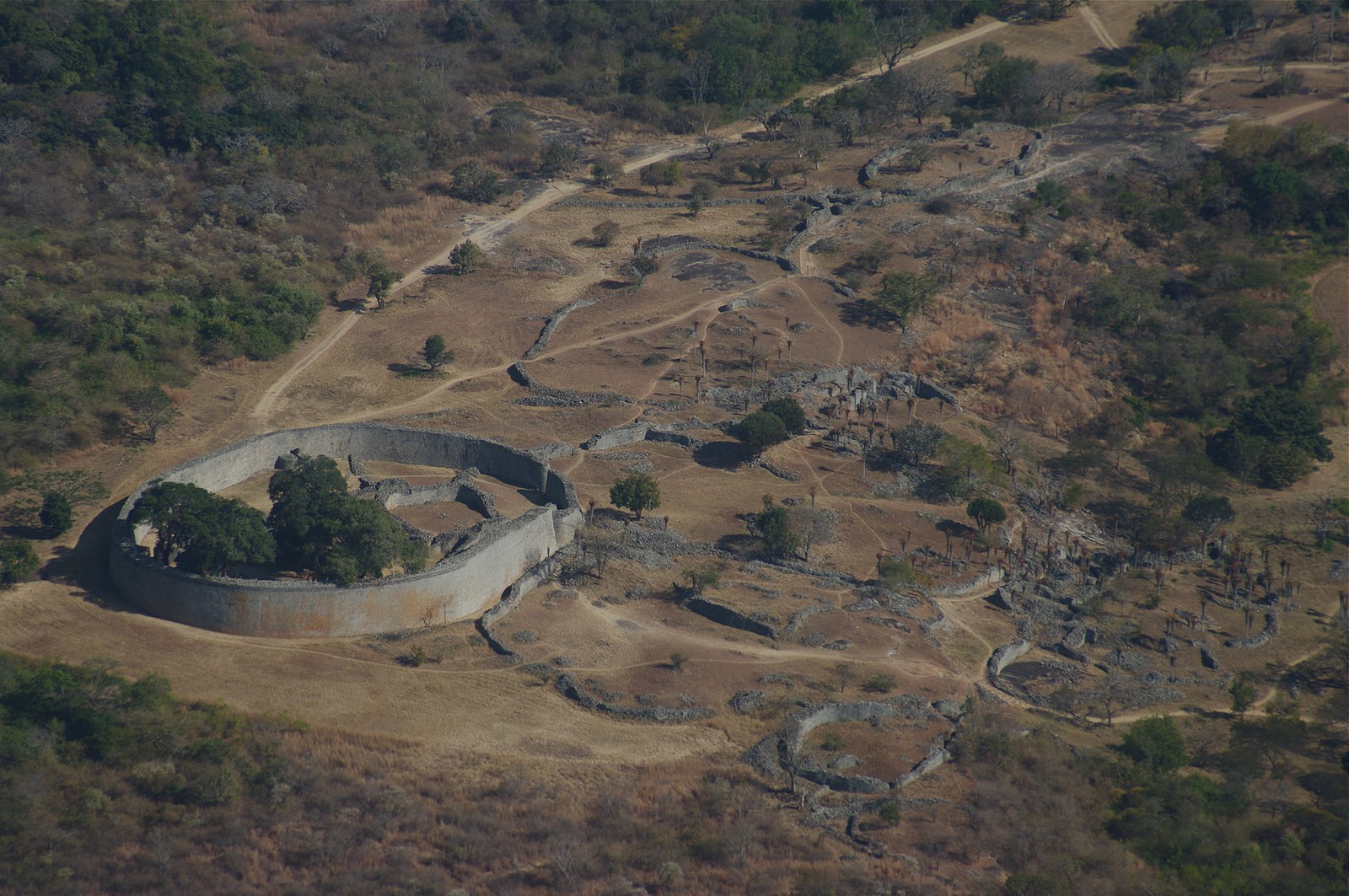
Mbuya Nehanda (Charwe Nyakasikana)
c. 1840/1862 – 1898
Southern Africa (Mashonaland, Zimbabwe)
A Shona spirit medium of the ancestral spirit Nehanda who helped lead resistance to the British South Africa Company in the First Chimurenga of 1896-97. She was hanged in 1898.
Stub: research pending

Medgar Evers
1925 – 1963
Mississippi, United States
Decatur-born World War II veteran who became the NAACP's first field secretary in Mississippi, investigated racist violence and led desegregation campaigns, and was shot dead at his Jackson home in June 1963; his killer was convicted in 1994.

Menelik II
1844 – 1913 (emperor 1889 – 1913)
East Africa (Shewa and Ethiopia)
King of Shewa from 1865 and emperor of Ethiopia from 1889. He defeated Italy at Adwa in 1896, founded Addis Ababa, and greatly enlarged the empire. His southern conquests remain contested.

Nanny of the Maroons (Queen Nanny)
Late 17th c. – 18th c. (dates uncertain)
Blue Mountains (Portland), Jamaica; origin likely Gold Coast (Ghana)
Leader of the Windward Maroons in Jamaica's Blue Mountains during the First Maroon War, remembered for guerrilla resistance to the British. She is named in a 1740 land grant and has been a National Hero of Jamaica since 1982. Most details of her life come from Maroon oral tradition.

Nat Turner
1800 – 1831
Southampton County, Virginia, United States
Enslaved preacher in Southampton County, Virginia, who in August 1831 led a revolt in which about 55 white people were killed; he hid for about two months, was captured on October 30 and was hanged on November 11, 1831.

Nelson Mandela
1918 – 2013
South Africa
Anti-apartheid ANC leader and co-founder of its armed wing, Umkhonto we Sizwe, he was imprisoned from 1962 to 1990, much of it under a 1964 Rivonia Trial life sentence. He shared the 1993 Nobel Peace Prize and served as South Africa's first democratically elected president (1994–99).
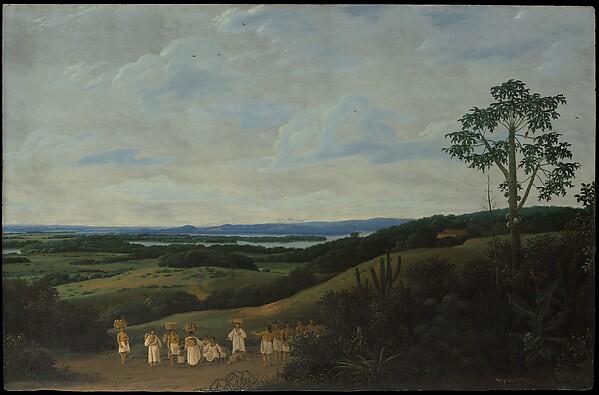
Palmares and Zumbi
c. 1605 – 1694 (Zumbi d. 1695)
Pernambuco and Alagoas, northeastern Brazil
Palmares was a large, long-lasting quilombo of self-liberated Africans in northeastern Brazil, destroyed by Portuguese-hired forces in 1694; its military leader Zumbi was killed on 20 November 1695.
Stub: research pending
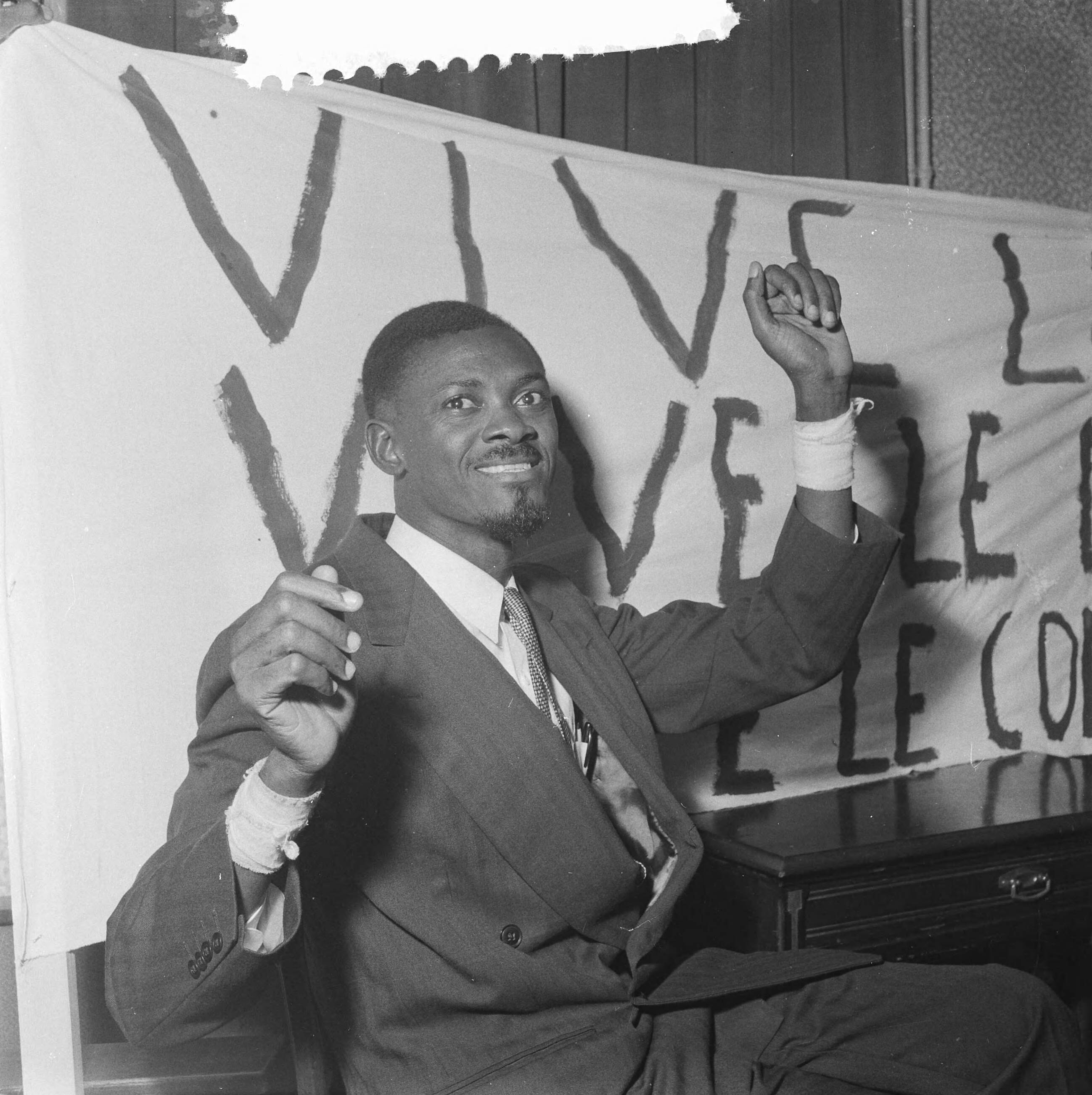
Patrice Lumumba
1925 – 1961
Democratic Republic of the Congo
Congolese nationalist who led the Mouvement National Congolais and became the Congo's first prime minister at independence on 30 June 1960; dismissed that September and later captured, he was killed in Katanga on 17 January 1961.

Paul Bogle and the Morant Bay Rebellion
c. 1822 – 1865
Jamaica
A Native Baptist deacon from Stony Gut, Bogle led the October 1865 Morant Bay Rebellion over justice and voting grievances; he was hanged on 24 October 1865 and is a Jamaican National Hero.
Stub: research pending

Queen Amina of Zazzau
c. 15th or 16th century (dates disputed)
West Africa (Zazzau/Zaria, Hausaland, northern Nigeria)
Warrior queen of the Hausa state of Zazzau (Zaria), remembered for wide military campaigns and for the earthen walls called "Amina's walls." The Kano Chronicle mentions her, but her dates are disputed and many details of her life come from oral tradition.

Queen Nzinga of Ndongo and Matamba
c. 1582/1583 – 1663
Ndongo and Matamba, present-day Angola
Ruler of Ndongo from 1624 who, after being pushed east by the Portuguese, made Matamba her base and resisted Portuguese expansion in Angola through war and diplomacy until a peace treaty in the 1650s; she died in 1663.

Rosa Parks
1913 – 2005
Alabama and Michigan, United States
Longtime NAACP activist and secretary of its Montgomery branch whose arrest on December 1, 1955, for refusing to give up her bus seat sparked the 381-day Montgomery bus boycott; she later lived and worked in Detroit.

Samori Touré
c. 1830 – 1900
West Africa (Upper Guinea, Mali, Côte d'Ivoire)
Mandinka ruler who built a large Islamic state in the West African interior from the late 1860s and resisted French expansion until his capture in 1898. He died in exile in Gabon.
Stub: research pending

Samuel Sharpe and the Baptist War
c. 1780/1801 – 1832
Jamaica
An enslaved Baptist deacon, Sharpe organised a strike that became the 1831–32 Christmas Rebellion (Baptist War) in western Jamaica; he was hanged on 23 May 1832 and is a National Hero.
Stub: research pending

Shaka
c. 1787 – 1828 (Zulu king c. 1816 – 1828)
Southern Africa (Zululand, KwaZulu-Natal, South Africa)
Zulu king from about 1816 who reorganised the army and built a centralised Zulu kingdom. He was assassinated in 1828 on the orders of his half-brothers Dingane and Mhlangana. His reputation has been shaped heavily by unreliable settler accounts.

Shirley Chisholm
1924 – 2005
Brooklyn, New York, United States
Brooklyn-born educator and politician who in 1968 became the first Black woman elected to Congress, served seven House terms (1969–1983), and in 1972 became the first Black candidate to seek a major party's presidential nomination.

Sojourner Truth
c. 1797 – 1883
New York, Massachusetts and Michigan, United States
Born enslaved as Isabella in Ulster County, New York, around 1797, she escaped in 1826, took the name Sojourner Truth in 1843 and became a travelling speaker against slavery and for women's rights.

Steve Biko
1946 – 1977
South Africa (Eastern Cape)
Leading figure of South Africa's Black Consciousness Movement and first president of the South African Students' Organisation (1969), he died on 12 September 1977 from injuries inflicted while in security police custody.

Sundiata Keita
c. 1230s – c. 1255 (reign; dates approximate)
West Africa (Manding, present-day Mali and Guinea)
Founder of the Mali Empire, remembered for defeating Sumanguru of Sosso at Kirina in the 13th century. Arabic writers of the 14th century confirm he existed, but most of his story comes from the Sundiata epic kept by griots.

Tariq ibn Ziyad
active 711 – 714; d. c. 720
North Africa and Iberia (Tangier, Gibraltar, Toledo)
Berber general who, as governor of Tangier under Musa ibn Nusayr, landed at Gibraltar in 711, defeated the Visigothic king Roderick and took Toledo, beginning the Muslim conquest of Iberia.
Stub: research pending

Thomas Sankara
1949 – 1987
Burkina Faso
Military officer and revolutionary who led Upper Volta, which he renamed Burkina Faso, from 1983 until he was killed in a 1987 coup. Admired for anti-corruption, health, literacy and women's rights programs, he is also criticized for repression under his rule.

Toussaint Louverture
c. 1743 – 1803
Saint-Domingue (Haiti) and France
Born enslaved and freed in 1776, he became the leading general of the Saint-Domingue revolution and extended abolition across Hispaniola, before being seized by French forces and dying in a prison in France in 1803; Haiti declared independence in January 1804, after his death.
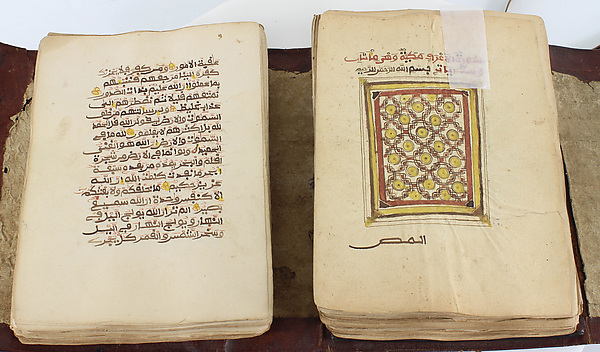
Usman dan Fodio and the Sokoto Caliphate
1754 – 1817
West Africa (northern Nigeria, Niger, Cameroon)
A Fulani Islamic scholar and reformer from Gobir who led a jihad from 1804 against Hausa rulers, founding the Sokoto Caliphate. He wrote widely in Arabic and Fula.
Stub: research pending

Yaa Asantewaa
c. 1840s/1860s – 1921
Ejisu, Asante (present-day Ghana); exiled to the Seychelles
Queen mother of Ejisu who led the 1900 Asante uprising against British rule, sparked by the governor's demand for the Golden Stool. She was captured, exiled to the Seychelles, and died there in 1921.