Tambor de Mina
1840s to present
São Luís, Maranhão, Brazil
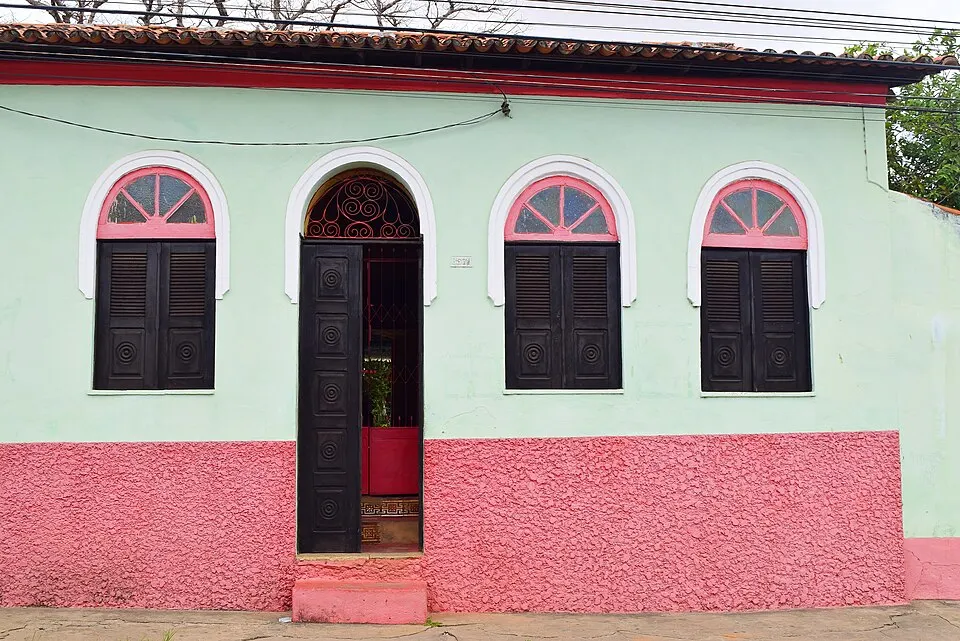
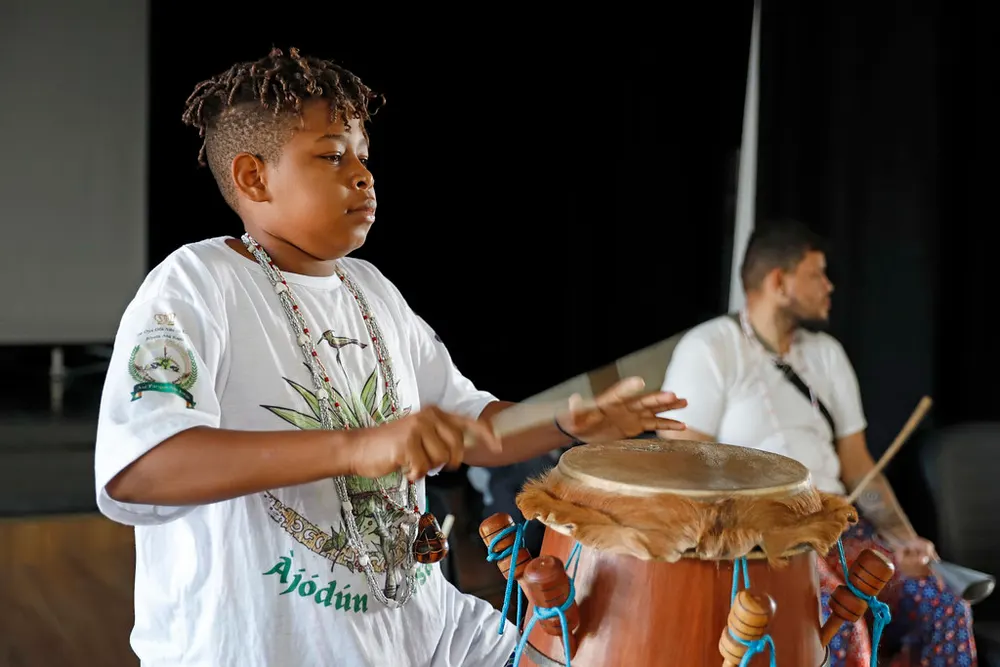
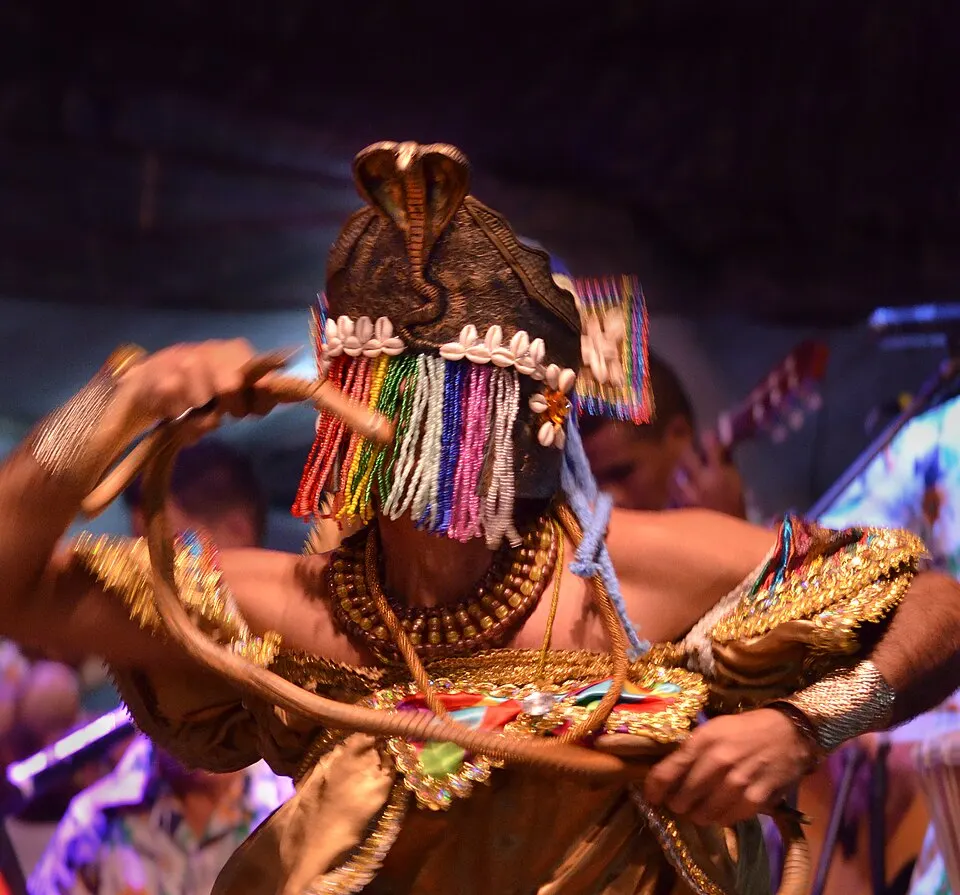
Tambor de Mina is an Afro-Brazilian religion of São Luís in Maranhão, honouring vodun spirits that come from the Ewe and Fon (Jeje) traditions of the old Kingdom of Dahomey, together with Yoruba and Catholic elements. Its oldest temple, the Casa das Minas, was founded by enslaved African women around 1840, and there only women lead the ceremonies. Some scholars link its founding to Na Agontimé, a Dahomean queen sold into slavery, but this is not certain.
In progress
This entry is being researched
Content pending: verified research needed. The summary above identifies the subject, and the sources we have gathered so far are listed below. The full article will be written once the facts are checked against them.
Achievements
- c. 1840s: Casa das Minas founded in São Luís by enslaved African women
- Honours vodun of the Ewe-Fon (Jeje) tradition of Dahomey
- Only women lead ceremonies at the Casa das Minas
Related entries

Sources
- Reginaldo Prandi, "Nas pegadas dos voduns" (Universidade de São Paulo) (Scholarly)
- Revista de Políticas Públicas / Cadernos de Pesquisa, Universidade Federal do Maranhão, article on the Casa das Minas (Scholarly)
- Centro de Cultura Popular / Comissão Maranhense de Folclore, Boletim 68 (UFMA) (Reference)
Suggest a correction: opens once the database is connected.