Kwame Ture
1941 – 1998
Conakry, Guinea
Kwame Ture, born Stokely Carmichael in Port of Spain, Trinidad, organized Black voters in Lowndes County, Alabama, led the Student Nonviolent Coordinating Committee from 1966 to 1967 and helped popularise the slogan Black Power. He later settled in Guinea, took the name Kwame Ture, and worked for Pan-African unity until his death in Conakry in 1998.
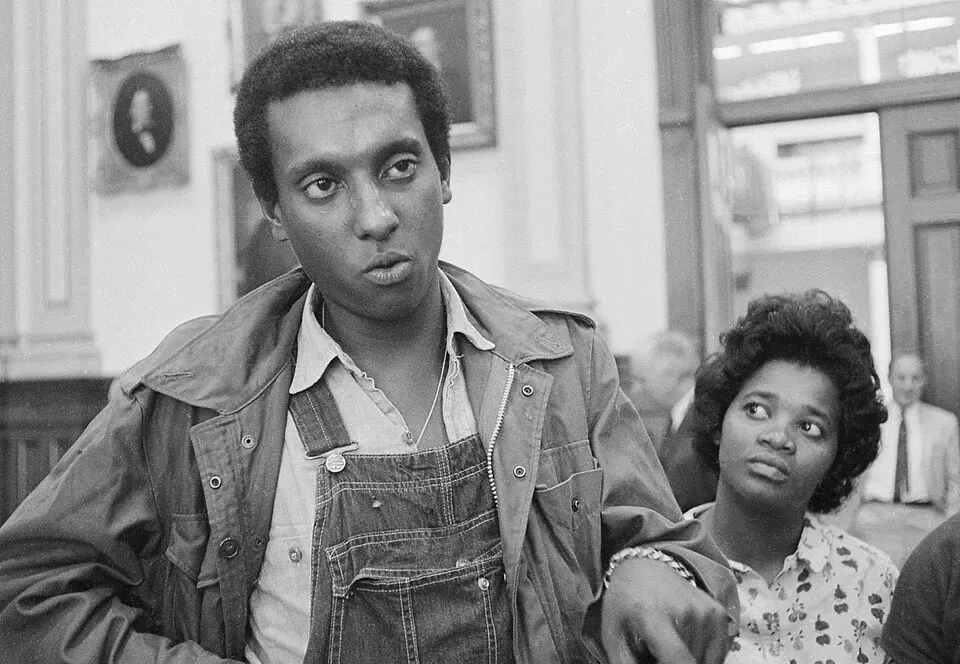
Early life
Kwame Ture was born Stokely Carmichael in Port of Spain, Trinidad, on 29 June 1941. He moved to New York City as a boy and grew up there. He went on to study at Howard University in Washington, D.C.
Organizing in the South
As a young man Carmichael joined the Student Nonviolent Coordinating Committee (SNCC), the student-led group at the centre of the voter registration campaigns in the Deep South.
His best-known field work was in Lowndes County, Alabama, a majority-Black county where almost no Black residents were registered to vote. Working with local organizers, he helped raise Black voter registration from under a hundred people to more than 2,500 (sources give slightly different figures). Because the established parties shut Black voters out, SNCC workers and local people formed their own independent party, the Lowndes County Freedom Organization. It chose a black panther as its symbol.
Black Power
In May 1966 Carmichael was elected chairman of SNCC, taking over from John Lewis. A few weeks later, in June 1966, he spoke at a rally in Greenwood, Mississippi, during the March Against Fear. There he told the crowd that after six years of calling for "freedom", it was time to start saying "Black Power". The phrase spread quickly and became the name for a wider movement that stressed Black political power, self-defence and pride.
He stepped down as SNCC chairman in 1967 and was followed by H. Rap Brown. That year he and the political scientist Charles V. Hamilton published Black Power: The Politics of Liberation, which set out the ideas behind the slogan.
Pan-Africanism and a new name
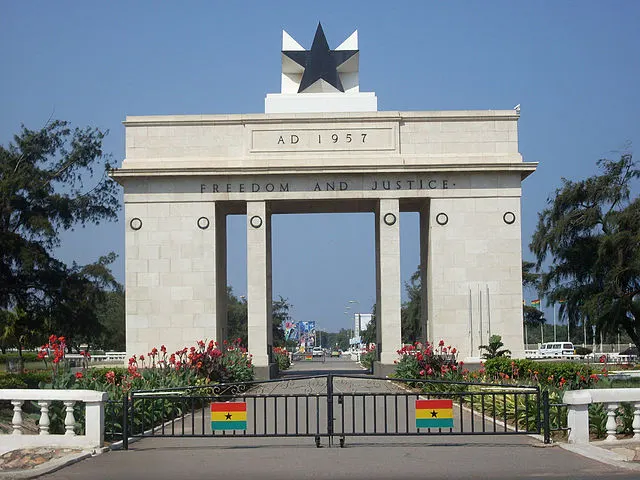
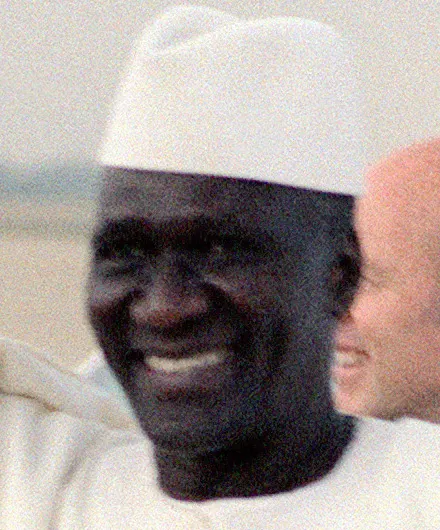
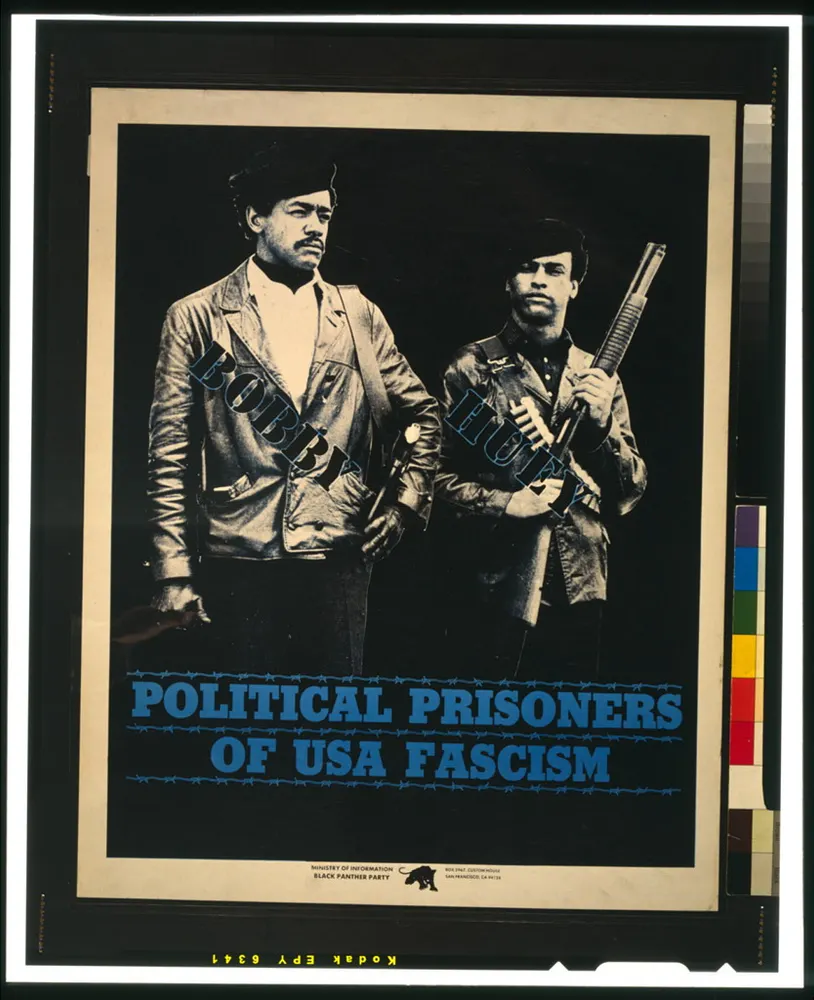
Carmichael worked for a time with the Black Panther Party, but he broke with it. Around 1969 he left the United States and settled in West Africa, first spending time in Ghana and then making his home in Guinea. He took the name Kwame Ture, honouring two African leaders he admired: Kwame Nkrumah, Ghana's first president, and Ahmed Sékou Touré, Guinea's first president. Sources differ on exactly when he began using the new name.
In 1971 he published Stokely Speaks: From Black Power to Pan-Africanism, a collection of his speeches and essays that traces how his thinking moved from the American civil rights struggle to the goal of a united, independent Africa. For the rest of his life he travelled and spoke for Pan-African unity.
Death and legacy
Kwame Ture died in Conakry, Guinea, on 15 November 1998. He is remembered for the Lowndes County campaign, for giving the Black Power movement its name, and for linking the Black freedom struggle in the United States with African liberation.
Achievements
- 1965 – 1966: Helped raise Black voter registration in Lowndes County, Alabama, and form the Lowndes County Freedom Organization
- May 1966: Became chairman of SNCC (to 1967)
- June 1966: Called for Black Power at a rally in Greenwood, Mississippi
- 1967: Co-wrote Black Power: The Politics of Liberation with Charles V. Hamilton
- 1971: Published Stokely Speaks: From Black Power to Pan-Africanism
- 1998: Died in Conakry, Guinea, on 15 November
Related entries
Sources
- Howard University, The Dig, "Kwame Ture" (Scholarly)
- Caribbean Memory Project, "Ture, Kwame (alt. Stokely Carmichael)" (Reference)
- U.S. National Archives, "African American Heritage: Stokely Carmichael" (Primary source)
- National Center for Civil and Human Rights, "Stokely Carmichael (Kwame Ture)" (Reference)
- Civil Rights Movement Archive, "Remembering Stokely Carmichael (Kwame Ture)" (Primary source)
Share and cite
Cite this page
“Kwame Ture.” Kemet to Now, https://kemettonow.com/entry/kwame-ture.
Suggest a correction: opens once the database is connected.