John Lewis
1940 – 2020
Alabama; Atlanta, Georgia
John Lewis, born near Troy, Alabama, chaired the Student Nonviolent Coordinating Committee (SNCC) from 1963 to 1966. On 7 March 1965 he led about 600 marchers across the Edmund Pettus Bridge in Selma, where Alabama state troopers beat them; the outrage over "Bloody Sunday" helped pass the Voting Rights Act that year. Elected to Congress from Atlanta in 1986, he served 17 terms until his death on 17 July 2020.
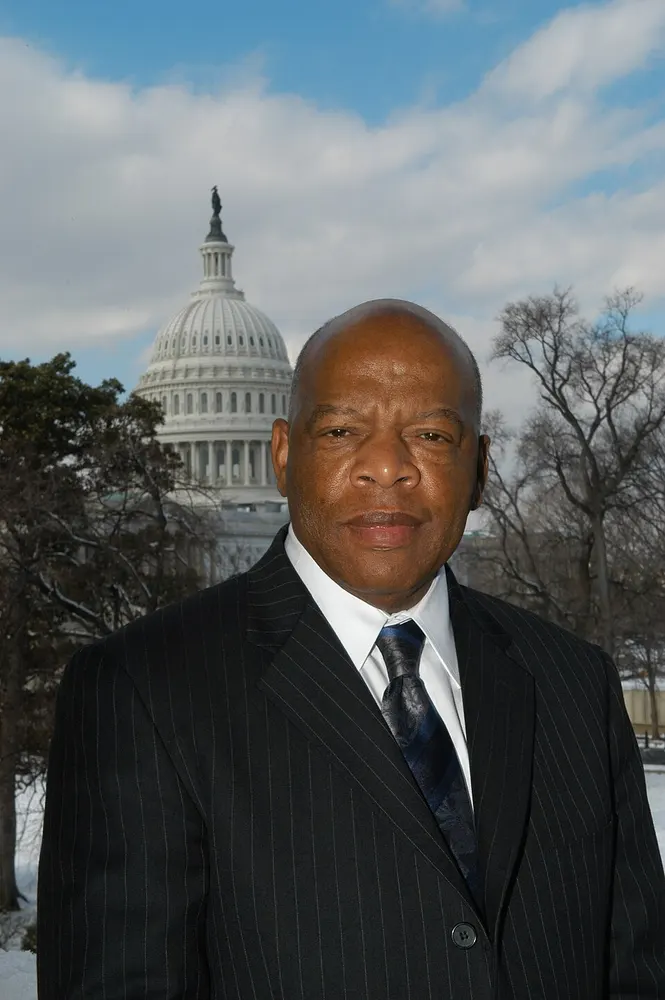
A farm boy from Alabama
John Robert Lewis was born on 21 February 1940 near Troy, Alabama, to Eddie and Willie Mae Carter Lewis. He grew up in the segregated rural South and was drawn to the church and to the early civil rights movement as a teenager.
He studied at the American Baptist Theological Seminary in Nashville, Tennessee, and later earned a bachelor's degree in religion and philosophy from Fisk University in 1967.
Nashville and the Freedom Rides
In Nashville, Lewis trained in nonviolent protest and joined the student sit-ins against segregated lunch counters. In 1961 he joined the Freedom Rides, in which Black and white volunteers rode interstate buses across the South to test court rulings against segregated travel. Riders were attacked by mobs and arrested along the way.
SNCC and the March on Washington
From 1963 to 1966 Lewis was chairman of the Student Nonviolent Coordinating Committee (SNCC). Under his leadership SNCC ran Freedom Schools and took part in the Mississippi Freedom Summer of 1964, which brought volunteers to register Black voters.
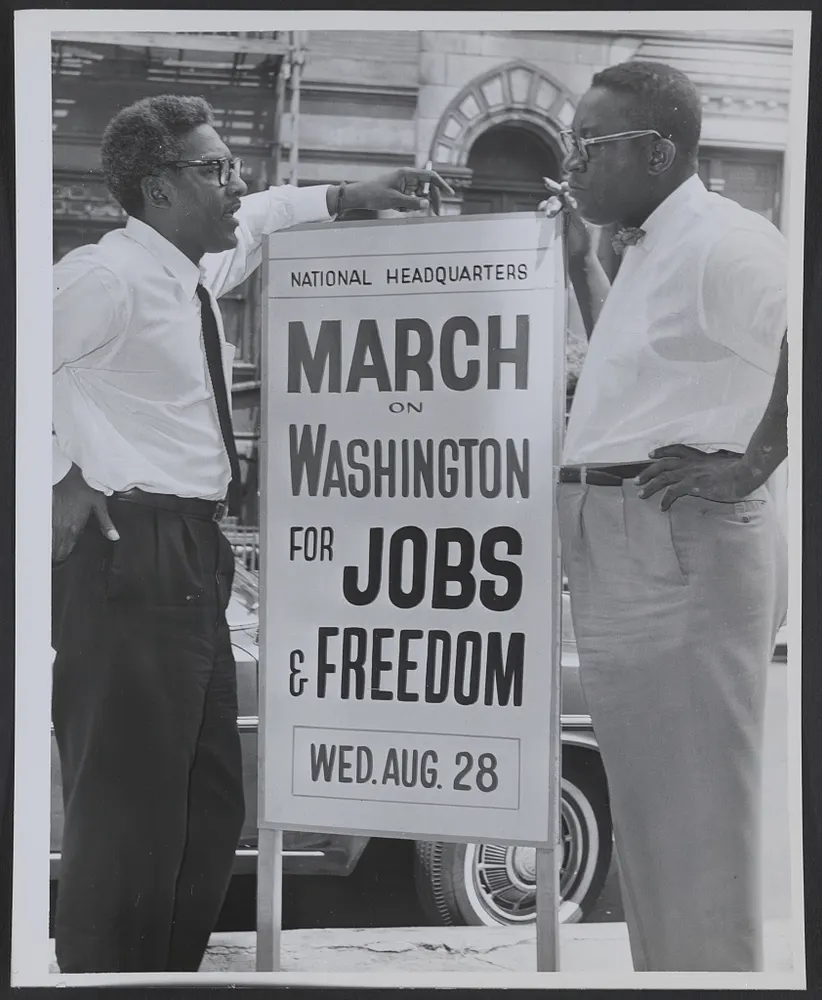
On 28 August 1963 he was one of the main speakers at the March on Washington for Jobs and Freedom, the day Martin Luther King Jr. gave his "I Have a Dream" speech.
Bloody Sunday
On 7 March 1965 Lewis and Hosea Williams led about 600 marchers out of Selma, Alabama, toward the state capital, Montgomery, to demand the right to vote. As they crossed the Edmund Pettus Bridge, Alabama state troopers attacked them with clubs and tear gas. Lewis was badly hurt. Television pictures of the attack, which became known as "Bloody Sunday", shocked the country, and the outrage helped Congress pass the Voting Rights Act later that year.
In 1966 Kwame Ture (then Stokely Carmichael) succeeded him as SNCC's chairman.
Congress
Lewis later moved to Atlanta, Georgia. In 1986 he was elected to the U.S. House of Representatives from an Atlanta district, and he took his seat in 1987. He was re-elected again and again, serving 17 terms. In 1998 he published a memoir, Walking with the Wind.
He died on 17 July 2020. He is remembered for a lifetime of nonviolent protest, from the lunch counters of Nashville and the bridge at Selma to the halls of Congress.
Achievements
- 1961: Joined the Freedom Rides
- 1963 – 1966: Chairman of SNCC, which ran Freedom Schools and the Mississippi Freedom Summer
- 28 August 1963: A main speaker at the March on Washington
- 7 March 1965: Led the Selma march attacked on "Bloody Sunday"
- 1987 – 2020: U.S. Representative from Georgia for 17 terms
- 1998: Published his memoir, Walking with the Wind
Related entries
Sources
- New Georgia Encyclopedia, "John Lewis (1940-2020)" (Reference)
- Princeton University Digital Library, "John Lewis and Selma" (Primary source)
- Alabama Academy of Honor, "John Lewis" (Reference)
- Tennessee Encyclopedia, "John Robert Lewis" (Reference)
- Civil Rights Digital Library (University System of Georgia), "Lewis, John, 1940-2020" (Reference)
Share and cite
Cite this page
“John Lewis.” Kemet to Now, https://kemettonow.com/entry/john-lewis.
Suggest a correction: opens once the database is connected.