William Whipper
1804 – 1876
Columbia and Philadelphia, Pennsylvania
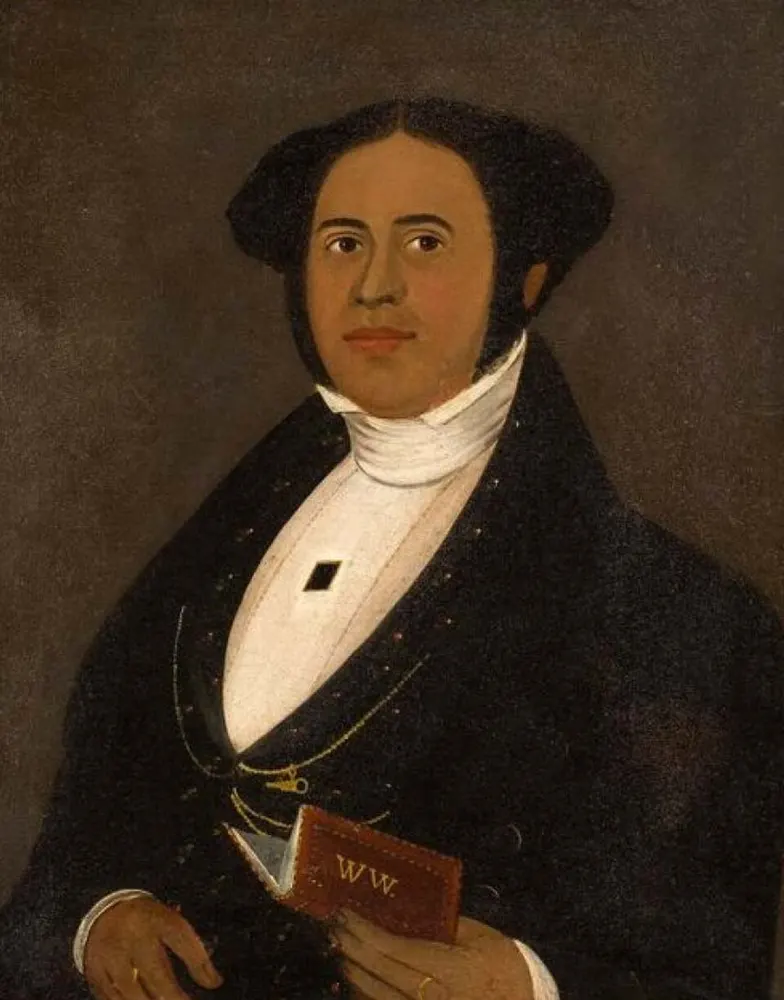
William Whipper was born in Lancaster County, Pennsylvania, around 1804. From 1835 he ran a lumber business in Columbia, Pennsylvania, with Stephen Smith, which grew into one of the state's leading lumberyards. He helped found the American Moral Reform Society, edited its journal, The National Reformer, and wrote an early essay arguing for nonviolent resistance. His home in Columbia was a stop on the Underground Railroad. Most sources say he died in Philadelphia in 1876.
Early life
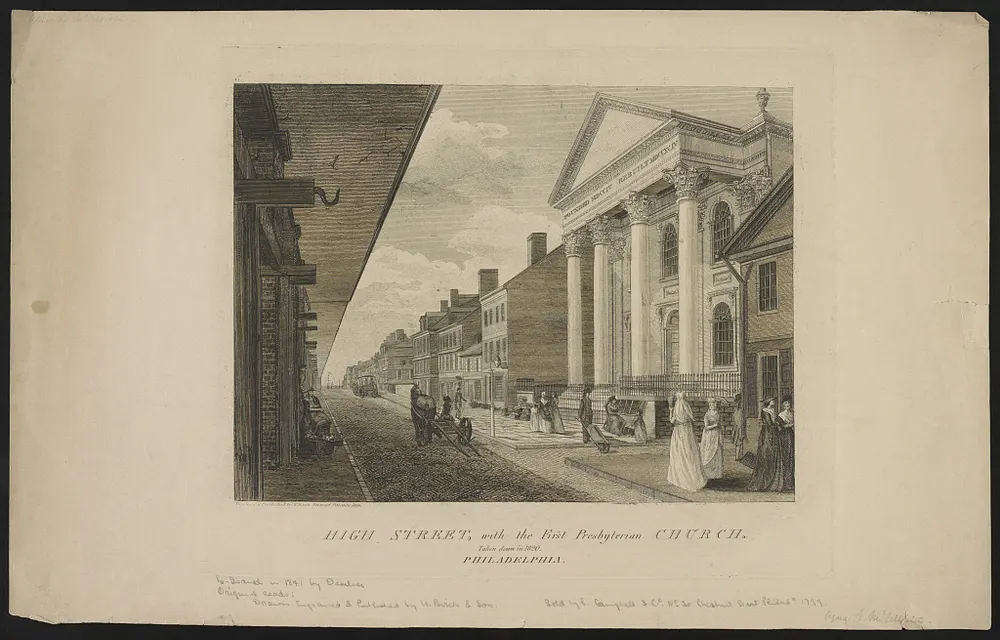
William Whipper was born around 1804 in Lancaster County, Pennsylvania. As a young man he lived in Philadelphia, where he became active in the city's Black community and its debates about how to win equal rights. ## The lumber business
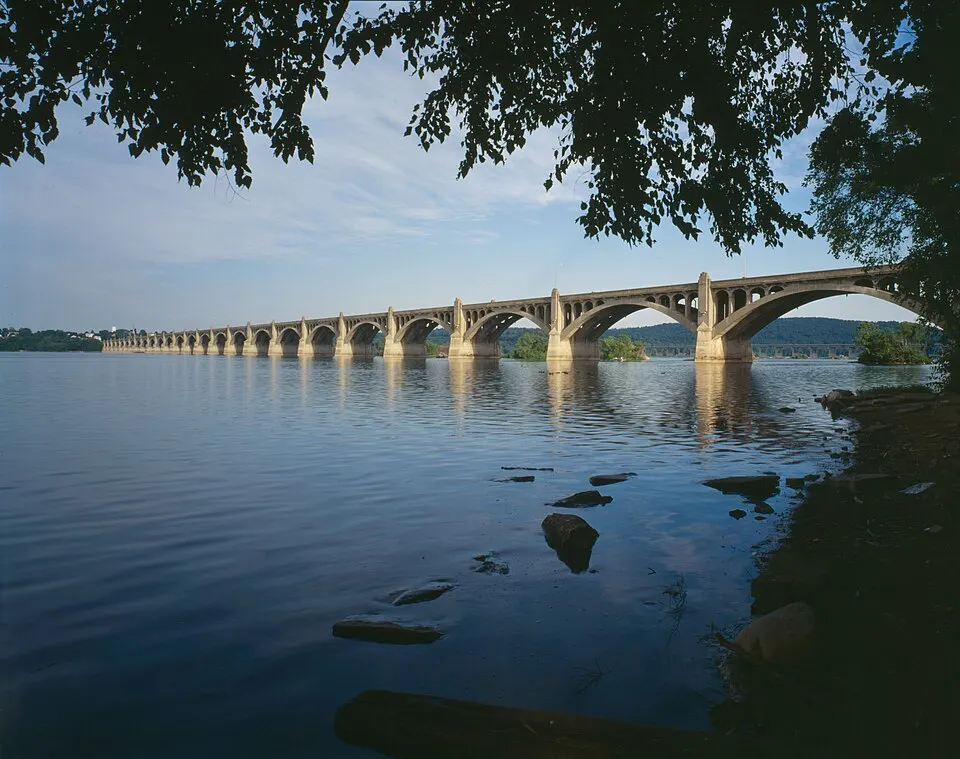
In 1835 Whipper moved to Columbia, a town on the Susquehanna River in Lancaster County. There he went into business with Stephen Smith, his partner and relative by marriage, in a lumber and coal company. The firm grew into one of the leading lumberyards in Pennsylvania. When Smith moved to Philadelphia, Whipper ran the Columbia business, which made both men among the wealthiest Black Pennsylvanians of their time.
Moral reform and nonviolence
Whipper was a founder of the American Moral Reform Society, which grew out of the Black national conventions of the 1830s. The society worked for education, temperance, economy and universal liberty, and aimed to build a Black press. He edited its journal, The National Reformer, in 1838 and 1839.
He is best remembered as a thinker for "An Address on Non-Resistance to Offensive Aggression". In it he argued that those who seek change should answer violence with moral force, not with more violence, so that their cause stays righteous. Writers on his life note that this idea came long before the nonviolent movements of the twentieth century; American Heritage called him "a leader ahead of his times".
The Underground Railroad
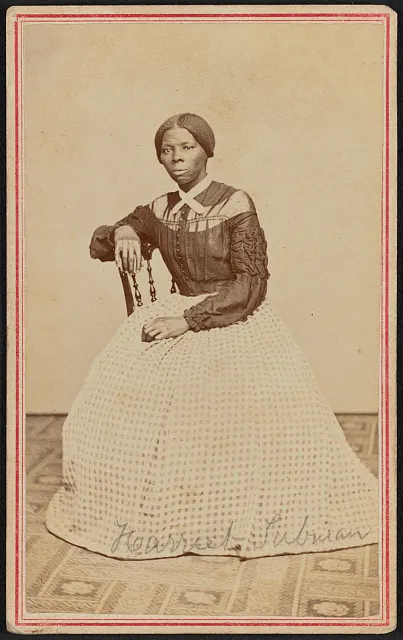
Columbia sat just north of the border with Maryland, a slave state, and was a crossing point for freedom seekers. Whipper's home was a station on the Underground Railroad. In a letter later published by William Still, he wrote that he had helped hundreds of people pass through Columbia, and several accounts say freedom seekers were carried on to Philadelphia hidden in the firm's lumber wagons and railroad cars, some with false ends. His own account dates this work from 1847 to about 1850; other sources extend it to 1860.
Later years
Whipper later lived in Philadelphia. Most sources say he died there on 9 March 1876, although a Temple University exhibit gives his dates as 1805 to 1885. A Pennsylvania state historical marker in Columbia honours him.
Legacy
Whipper's life joined business success, Black self-organisation and an early, carefully argued case for nonviolence. His partnership with Stephen Smith shows how Black businesses in the free states could fund the fight against slavery.
Achievements
- 1835: Moved to Columbia, Pennsylvania, and went into the lumber business with Stephen Smith
- Helped found the American Moral Reform Society
- 1838 – 1839: Edited its journal, The National Reformer
- Wrote "An Address on Non-Resistance to Offensive Aggression"
- Helped hundreds of freedom seekers pass through Columbia (his own account dates this from 1847)
Related entries
Sources
- BlackPast, "William Whipper (1804-1876)" (Reference)
- Pennsylvania Historical and Museum Commission (ExplorePAHistory), "William Whipper" historical marker (Primary source)
- American Heritage, "A Leader Ahead of His Times" (Reference)
- Toronto Metropolitan University Pressbooks, The Underground Railroad, "William Whipper" (Primary source)
- Pennsylvania Center for the Book (Penn State University Libraries), "William Whipper" (Scholarly)
- Temple University Libraries, William Still exhibit, "Whipper, William S." (Reference)
Share and cite
Cite this page
“William Whipper.” Kemet to Now, https://kemettonow.com/entry/william-whipper.
Suggest a correction: opens once the database is connected.