Stephen Smith
c. 1795 – 1873
Columbia and Philadelphia, Pennsylvania
Stephen Smith was born around 1795 to 1797 and bound as a child to a lumber merchant in Columbia, Pennsylvania. He bought his freedom in 1816 and built a lumber, coal and property business there, later in partnership with William Whipper, that made him one of the wealthiest Black Americans of his day. An AME preacher, he aided freedom seekers and in 1867 gave property and money to found a home for aged Black Philadelphians that still bears his name. He died in 1873.
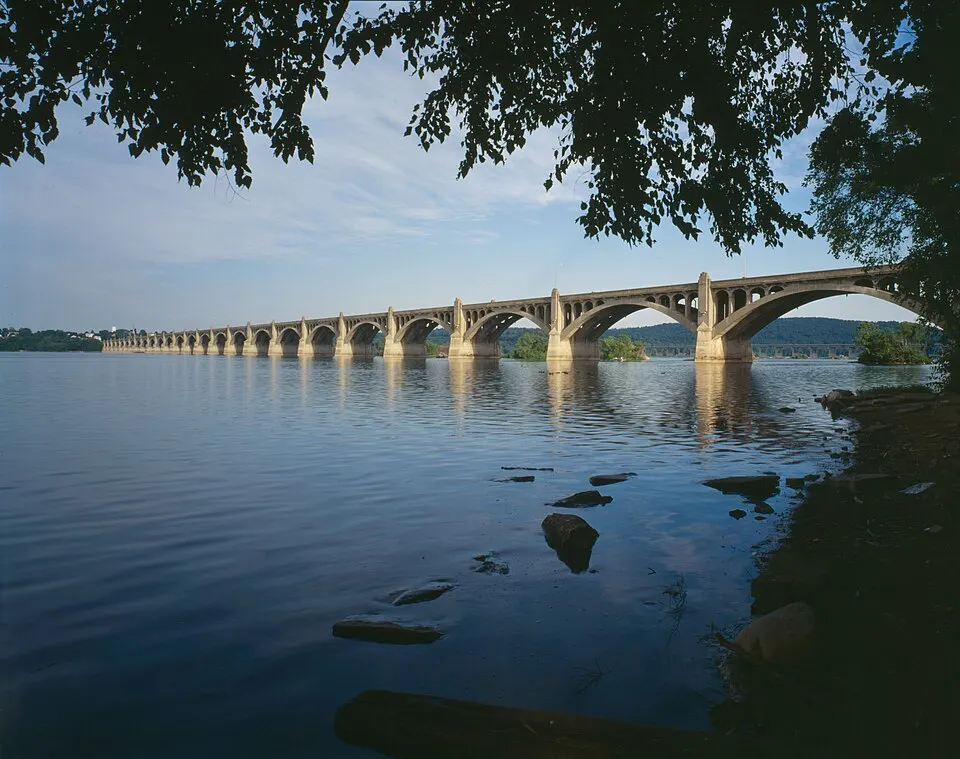
Bound as a child
Stephen Smith was born in Pennsylvania in the 1790s. Sources give 1795 or 1797, and most name Dauphin County, near Harrisburg, as his birthplace. At about the age of five he was bound as an indentured servant to Thomas Boude, a Columbia lumber merchant and politician, and grew up in the lumber trade.
Freedom and a business of his own
In 1816 Smith raised money to buy his freedom from his indenture. The same year he started his own lumber business in Columbia. He bought timber and coal that came down the Susquehanna River and sold it on, and he invested in land and buildings in the town.
Smith later went into partnership with William Whipper, who moved to Columbia in 1835. The firm of Smith and Whipper grew into one of the leading lumber and coal businesses in Pennsylvania. In 1857 the credit agency R. G. Dun and Company estimated its yearly sales at about $100,000.
Success brought danger. In the 1830s white workers in Columbia rioted against Black residents, and Smith's office was attacked in 1835. He moved to Philadelphia; BlackPast places the move soon after the attack, while other accounts give 1842. Whipper stayed to run the Columbia business while Smith built up his property holdings in Philadelphia.
Faith and freedom work
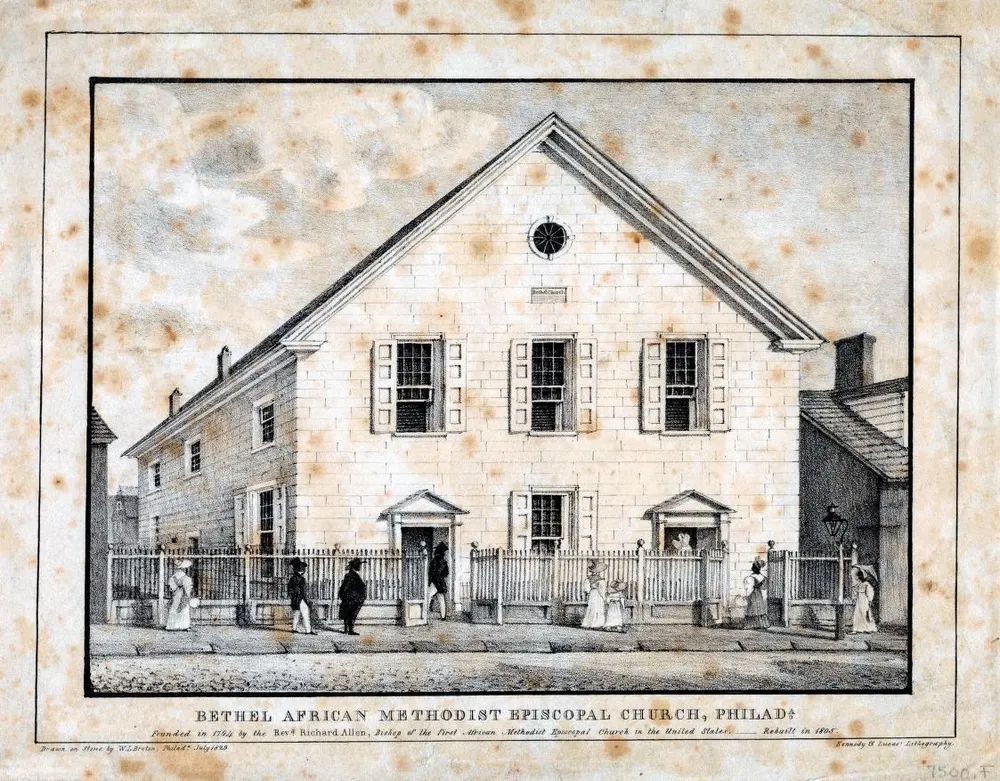
Smith was a member and later a preacher of the African Methodist Episcopal Church, the denomination founded by Richard Allen. He was made a local elder and helped found churches.
He was also part of the Underground Railroad. Columbia was close to the Maryland border, and freedom seekers who crossed the river there found help from the town's Black community. Smith and Whipper helped hide people and send them on, sometimes in their company's railroad cars. In Philadelphia, Smith worked alongside the abolitionist William Still, and Temple University's William Still exhibit includes him among Still's circle.
The home for the aged
Smith used his wealth to care for his community. In 1867 he donated property and money to found a Home for the Aged and Infirm Colored Persons in Philadelphia. The home opened before his death and carried his name. Sources say an organisation bearing his name still serves older people today.
Death and legacy
Stephen Smith died in Philadelphia in November 1873; sources give 4 November or 28 November. He was counted among the richest Black Americans of his day. His story shows a man who went from bound child labour to a fortune, and who spent much of that fortune on freedom, faith and care for others. A Pennsylvania state historical marker in Columbia honours him.
Achievements
- 1816: Bought his freedom and started his own lumber business in Columbia, Pennsylvania
- Ran a lumber and coal firm with William Whipper that became one of the largest in Pennsylvania
- 1857: Credit agency Dun & Co. estimated his firm's annual sales at about $100,000
- 1867: Gave property and money to found a home for aged and infirm Black Philadelphians
Related entries
Sources
- Temple University Libraries, William Still exhibit, "Smith, Stephen" (Reference)
- Explore PA History (WITF), "Stephen Smith" historical marker (Reference)
- BlackPast, "Stephen Smith (1795-1873)" (Reference)
- Encyclopedia of African-American Culture and History, "Smith, Stephen" (via Encyclopedia.com) (Scholarly)
Share and cite
Cite this page
“Stephen Smith.” Kemet to Now, https://kemettonow.com/entry/stephen-smith.
Suggest a correction: opens once the database is connected.