Robert Reed Church Sr.
1839 – 1912
Memphis, Tennessee
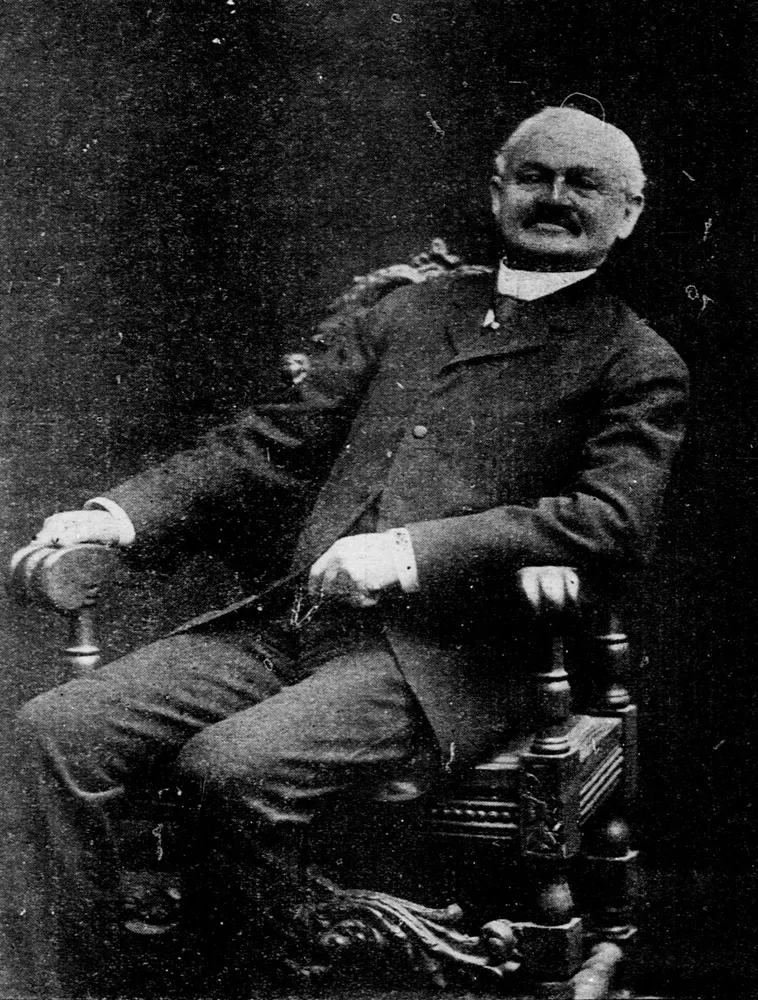
Robert Reed Church Sr. was a Memphis businessman who built a fortune in saloons, hotels and real estate, buying property when values collapsed after the 1878 yellow fever epidemic. The Tennessee Encyclopedia says he was reputedly the first African American millionaire in the South.
Early life on the river
Robert Reed Church was born enslaved in 1839. His father was a white steamboat owner and captain, and as a boy Robert worked on his father's boats on the Mississippi River between Memphis and New Orleans, first as a cabin boy and later as a steward. During the Civil War, Union forces captured the steamboat he was working on in 1862, and he came ashore in Memphis, which was then under federal control.
Settling in Memphis
By 1865 Church had settled in Memphis with his first wife, Louisa. He opened a saloon and began to put his earnings into property. He would later add hotels and other businesses on and around Beale Street, which became the heart of Black Memphis.
The 1866 riot
In May 1866 white mobs, many of them police officers and other city residents, attacked Black neighbourhoods in Memphis over three days. Dozens of Black people were killed and homes, schools and churches were burned. During the violence a mob attacked Church's saloon, shot him and left him for dead. He survived and, as BlackPast and other sources note, chose to stay in Memphis despite the danger.
Buying when others fled
In 1878 yellow fever swept through Memphis. Thousands died, and many residents who could leave fled the city. Property prices collapsed. Church bought real estate while values were low, and over the following years these holdings made him one of the wealthiest Black men in the country. The Tennessee Encyclopedia says he was reputed to be the first African American millionaire in the South; other sources call him one of the first Black millionaires in the United States. Accounts differ on whether he and his family stayed in the city during the epidemics.
The epidemics left Memphis bankrupt, and the state took away its city charter. To help restore it, Church bought the first $1,000 bond the city issued. Sources give different dates for this purchase.
Church's Park and Auditorium
Memphis offered no parks or public halls for its Black residents. In 1899 Church opened Church's Park and Auditorium on Beale Street, at a reported cost of $50,000. It became a centre of Black social, cultural and political life.
Banking and the church
Church also took part in founding the Solvent Savings Bank and Trust Company, the first Black-owned bank in Memphis, in 1906. Sources describe his role differently: some call him its founder, others its founding president, and one says he was elected president in 1908. In 1908 he also helped Beale Street Baptist Church avoid losing its building to foreclosure.
Family
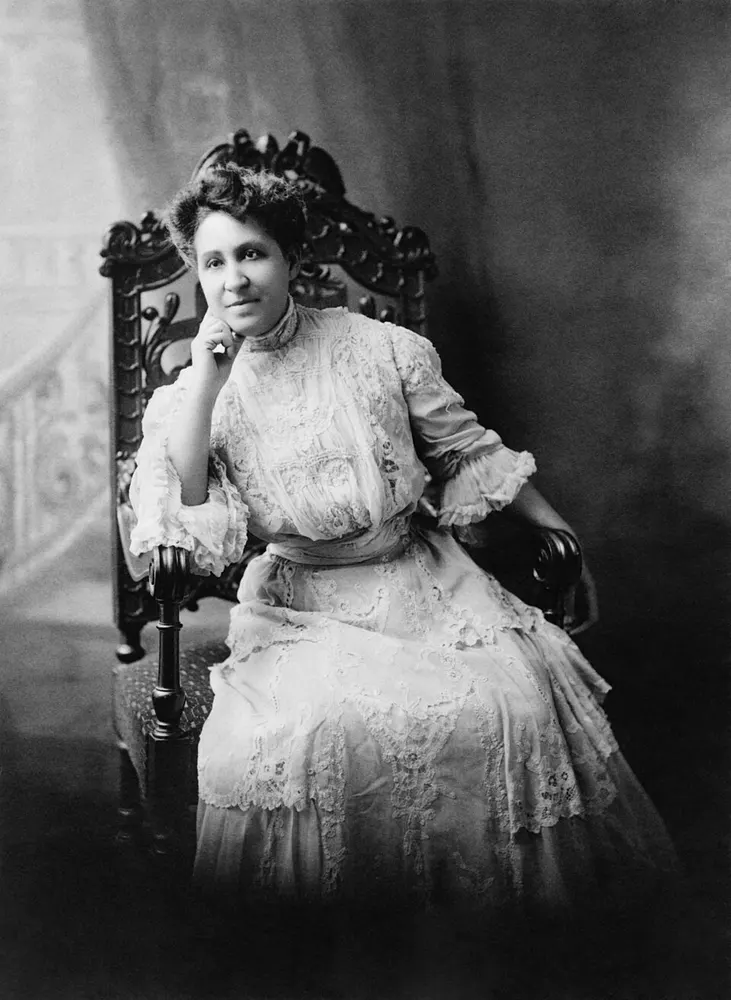
Church's daughter from his first marriage, Mary Church Terrell, became a leading educator and civil rights activist and a founder of the National Association of Colored Women. His son Robert R. Church Jr. became a major figure in the Republican Party in the South.
Death and legacy
Robert Reed Church Sr. died in Memphis in 1912, at the age of 73. He built his wealth in one of the most dangerous places and times for Black Americans, survived an attempt on his life, and used his money to give Black Memphians public spaces the city refused them.
Achievements
- 1866: Shot and left for dead when a mob attacked his saloon during the Memphis massacre; he survived and stayed
- After 1878: Bought Memphis real estate depressed by the yellow fever epidemic
- 1899: Opened Church's Park and Auditorium for Black Memphians
- 1906: Helped found the Solvent Savings Bank and Trust Company
- 1908: Helped Beale Street Baptist Church avoid foreclosure
Related entries
Sources
Share and cite
Cite this page
“Robert Reed Church Sr..” Kemet to Now, https://kemettonow.com/entry/robert-reed-church.
Suggest a correction: opens once the database is connected.