Kumina
19th century to present; no single date
St. Thomas, Jamaica
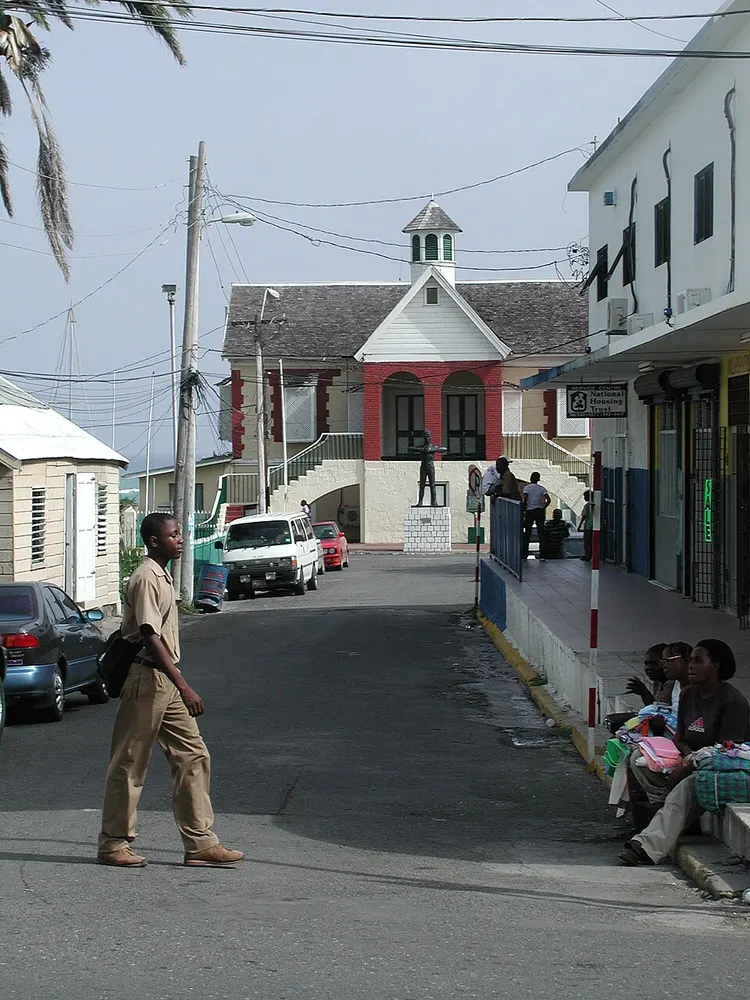
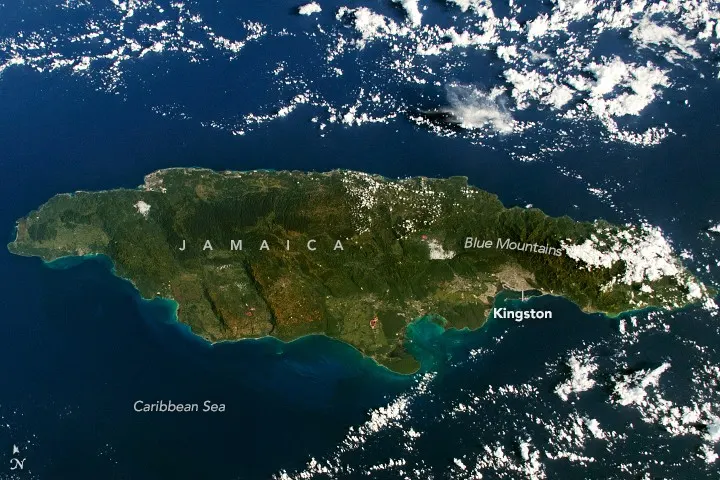
Kumina is an Afro-Jamaican religious tradition centred on honouring the ancestors through drumming, song and dance, with its heartland in the parish of St. Thomas. It is traced to Central Africans from the Kongo region who came to Jamaica as indentured workers in the decades after emancipation, and its ritual language keeps many Kongo words. It later spread to other parishes and to Kingston.
What Kumina is
Kumina is an African-derived religious tradition in Jamaica. Its ceremonies honour the ancestors through drumming, singing and dancing. Its home is the eastern parish of St. Thomas, where it has been kept for well over a century.
The African Caribbean Institute of Jamaica, which documents it through the Jamaica Memory Bank, treats it as one of the island's core African heritage practices.
Roots in the Kongo region
Most of the Africans taken to Jamaica during slavery came from West Africa. Kumina has a different origin. After slavery ended in the British Caribbean in 1838, planters and the colonial government brought in workers on indenture contracts to replace the people who had left the plantations. Among them were Africans, many from the Kongo region of west Central Africa.
Sources give somewhat different dates for these arrivals: the Encyclopedia of African-American Culture and History gives roughly 1845 to 1865, while other accounts stress the 1850s. Many of the new arrivals settled in St. Thomas. Their beliefs and practices, carried with them from Central Africa, became the foundation of Kumina. Because there are few written records, it is not clear exactly when the tradition took the form known today.
Language and music
One sign of Kumina's Central African roots is its language. Its ritual songs and speech mix Jamaican Creole and English with Kongo words and phrases that have been kept, sometimes as set formulas, across many generations. Researchers have used these words to trace Kumina back to the Kikongo-speaking region.
Drums are central. Kumina drumming goes together with singing and dancing in its ceremonies. The Smithsonian Center for Folklife and Cultural Heritage has written about the care of a Kumina drum and its return to community use, which shows how closely the instruments are tied to the life of the tradition.
Being seen and studied
For a long time Kumina was practised largely out of sight of outsiders. The first written descriptions and sound recordings date from the 1950s. In the twentieth century the tradition spread from St. Thomas to Portland, St. Mary, St. Catherine and Kingston.
Some Kumina leaders became widely known. Imogene "Queenie" Kennedy, born in St. Thomas, was among the best-known Kumina queens of the twentieth century and later lived in Kingston and St. Catherine.
Influence
Scholars credit Kumina drumming with shaping the Nyabinghi drumming of Rastafari. St. Thomas, its heartland, is also the parish of Paul Bogle and the Morant Bay Rebellion of 1865.
This entry describes Kumina historically and on its own terms. Its ceremonies are held by its own communities and are not described here as instructions.
Achievements
- 1840s to 1860s: Central African indentured workers, many settling in St. Thomas, brought the traditions it grew from
- 1950s: First written descriptions and recordings of Kumina drumming
- 20th century: Spread to Kingston and St. Catherine and shaped Nyabinghi drumming in Rastafari
Related entries
Sources
- African Caribbean Institute of Jamaica / Jamaica Memory Bank, "Fact Sheet 1: Kumina" (Reference)
- Smithsonian Center for Folklife and Cultural Heritage, "Re-communalization of a Jamaican Kumina Drum" (Reference)
- Encyclopedia of African-American Culture and History, "Kumina" (via Encyclopedia.com) (Scholarly)
- Jamaica Global Online, "St. Thomas Jamaica: A Historical Overview" (Reference)
Share and cite
Cite this page
“Kumina.” Kemet to Now, https://kemettonow.com/entry/kumina.
Suggest a correction: opens once the database is connected.