Septima Poinsette Clark
1898 – 1987
Charleston, South Carolina
Septima Poinsette Clark was a Charleston teacher who lost her job in 1956 for refusing to give up her NAACP membership. Working with the Highlander Folk School and later the Southern Christian Leadership Conference, she built citizenship schools that taught reading and civics so that Black Southerners could register to vote.
A Charleston childhood
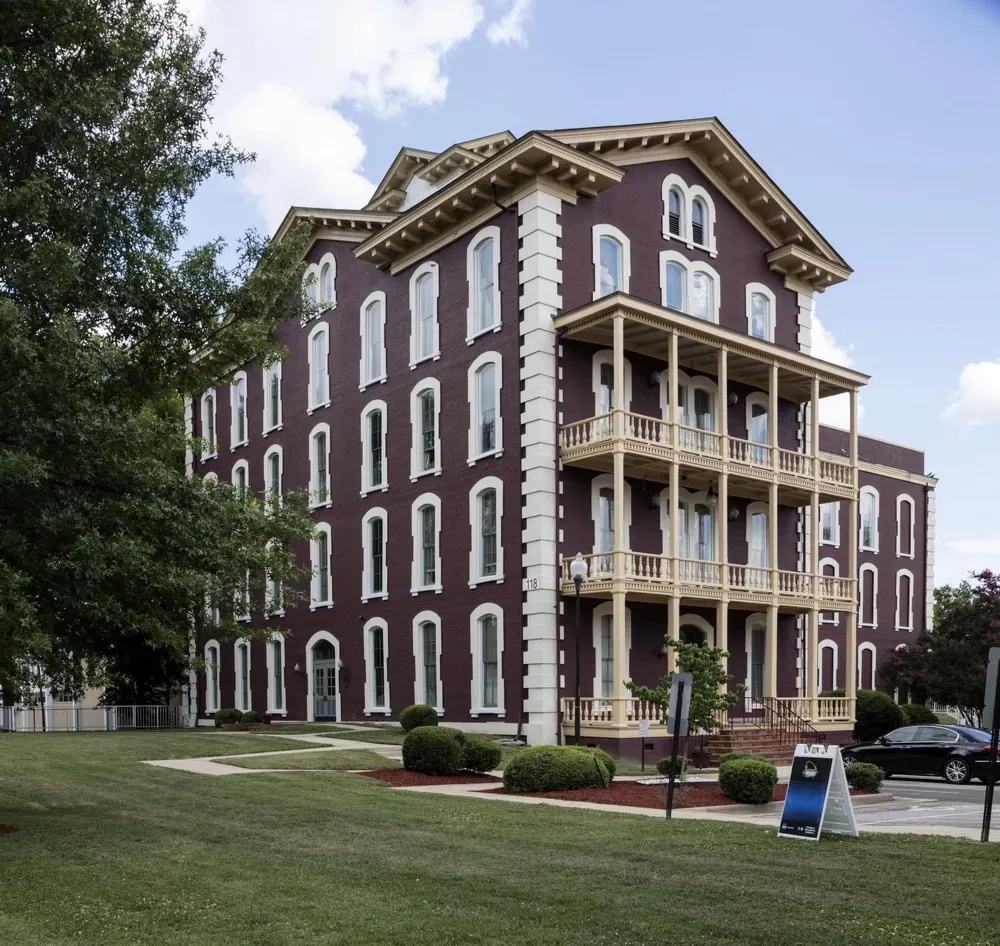
Septima Poinsette was born in Charleston, South Carolina, on May 3, 1898, the second of eight children. Her father, Peter Poinsette, had been born into slavery; her mother, Victoria Anderson, was born free. She attended the Avery Normal Institute in Charleston and completed its teacher training programme in 1916. She later continued her studies at Benedict College and Hampton Institute.
Teacher on the Sea Islands
Clark began her career on Johns Island, one of the Sea Islands near the city, at an all-Black school. Sources give the start of her teaching as 1918 or 1919.
She later joined the local branch of the National Association for the Advancement of Colored People (NAACP) in Columbia, South Carolina, and took part in its legal campaign to win equal pay for Black teachers.
Fired for her NAACP membership
In the mid-1950s South Carolina passed a law barring public employees from belonging to the NAACP (sources date it to 1955 or 1956). Clark refused to give up her membership. In 1956 she was dismissed from her teaching post in Charleston after nearly four decades in the classroom.
Highlander and the first citizenship school
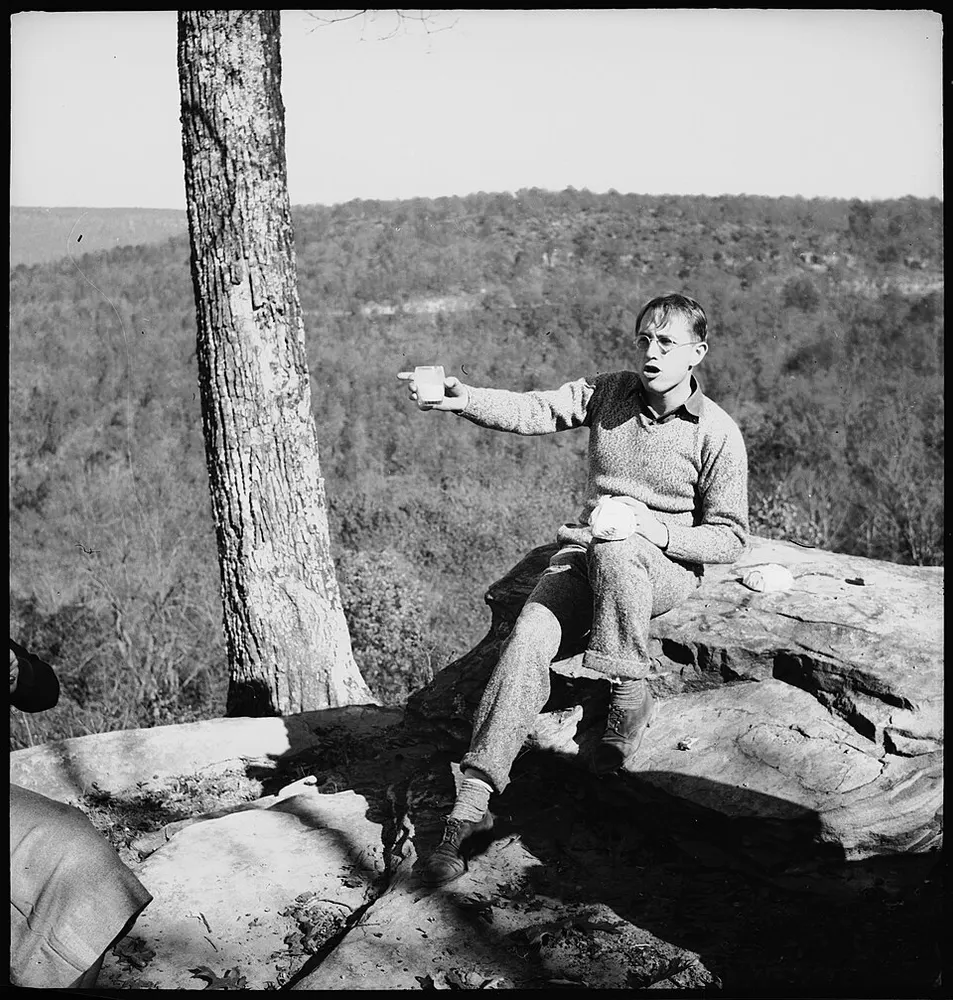
Clark had first visited the Highlander Folk School in Monteagle, Tennessee in 1953. After losing her job she became its director of workshops, and she recruited South Carolinians to take part, among them Esau Jenkins of Johns Island.
Together they shaped a new idea. In January 1957 the first citizenship school opened on Johns Island, in a building bought with help from Highlander. Jenkins asked Bernice Robinson to be its first teacher. The schools taught adults reading and civics so that they could register to vote.
The Citizenship Education Program
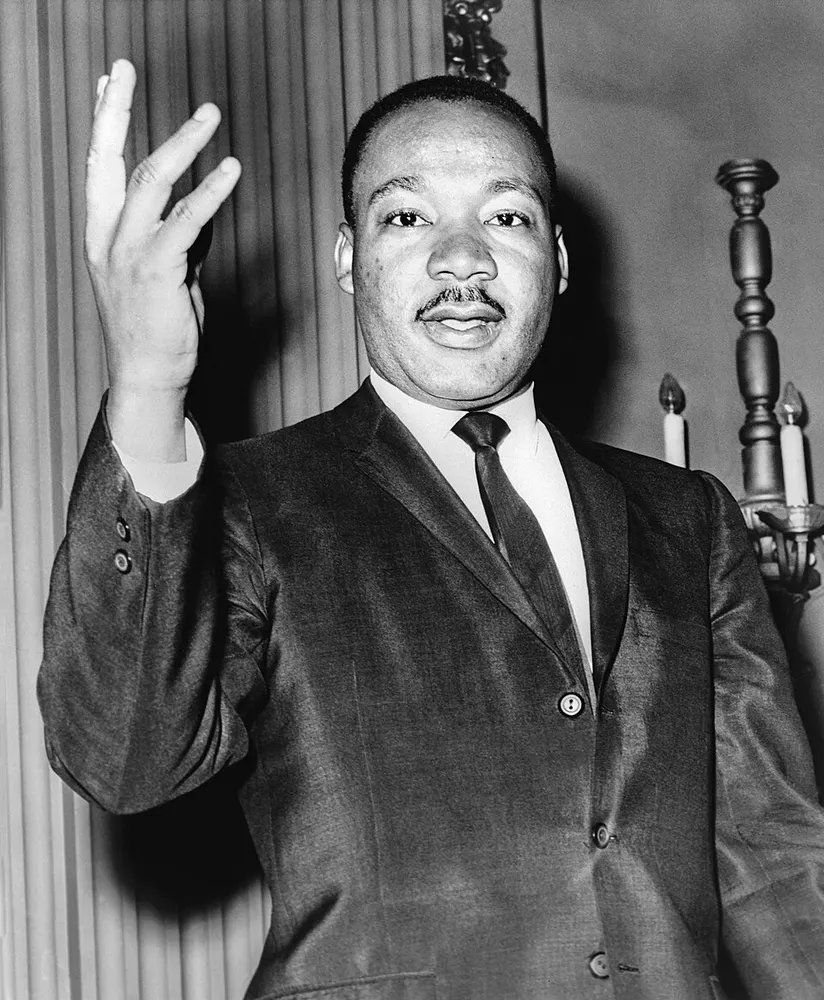
In 1961 Highlander handed the citizenship school programme to the Southern Christian Leadership Conference (SCLC), the organization led by Martin Luther King Jr., and Clark moved with it. She became its director of teacher training. From 1961 to 1970 the Citizenship Education Program trained local people at the Dorchester Community Center, who then went home to teach their neighbours. Sources give very different totals for how many teachers were trained, from over 10,000 to close to 69,000.
Clark retired from the SCLC in 1970.
Recognition and death
Clark told her own story in the autobiography Echo in My Soul (1962). In 1979 President Jimmy Carter presented her with a Living Legacy Award. She died on December 15, 1987; sources name Johns Island or Charleston as the place.
Clark is often remembered as the "teacher of the civil rights movement." Her citizenship schools tied the right to vote to the chance to learn.
Achievements
- 1956: Dismissed from the Charleston County schools after refusing to disavow NAACP membership
- 1956–1961: Directed workshops at the Highlander Folk School
- 1957: Helped plan the first citizenship school, on Johns Island, South Carolina
- 1961–1970: Directed teacher training for the SCLC's Citizenship Education Program
- 1979: Received a Living Legacy Award from President Jimmy Carter
Related entries
Sources
- South Carolina Encyclopedia, "Clark, Septima Poinsette" (Reference)
- African American Intellectual History Society (Black Perspectives), "Septima Clark and the Fight for Civil Rights" (Scholarly)
- EBSCO Research Starters, "Septima Poinsette Clark" (Reference)
- Vanderbilt University Libraries, Robert Penn Warren Center, Who Speaks for the Negro?, "Septima Poinsette Clark" (Primary source)
- College of Charleston, Discovering Our Past, "Leadership: Septima Clark's Faith Helps Change the Lowcountry, 1954-1964" (Reference)
- Atlanta Journal-Constitution, "Septima Clark was the teacher of the civil rights movement" (Reference)
- Civil Rights Movement Archive, "Literacy and Liberation: The Citizenship Schools" (Reference)
Share and cite
Cite this page
“Septima Poinsette Clark.” Kemet to Now, https://kemettonow.com/entry/septima-clark.
Suggest a correction: opens once the database is connected.