Jesse Binga
1865 – 1950
Chicago, Illinois
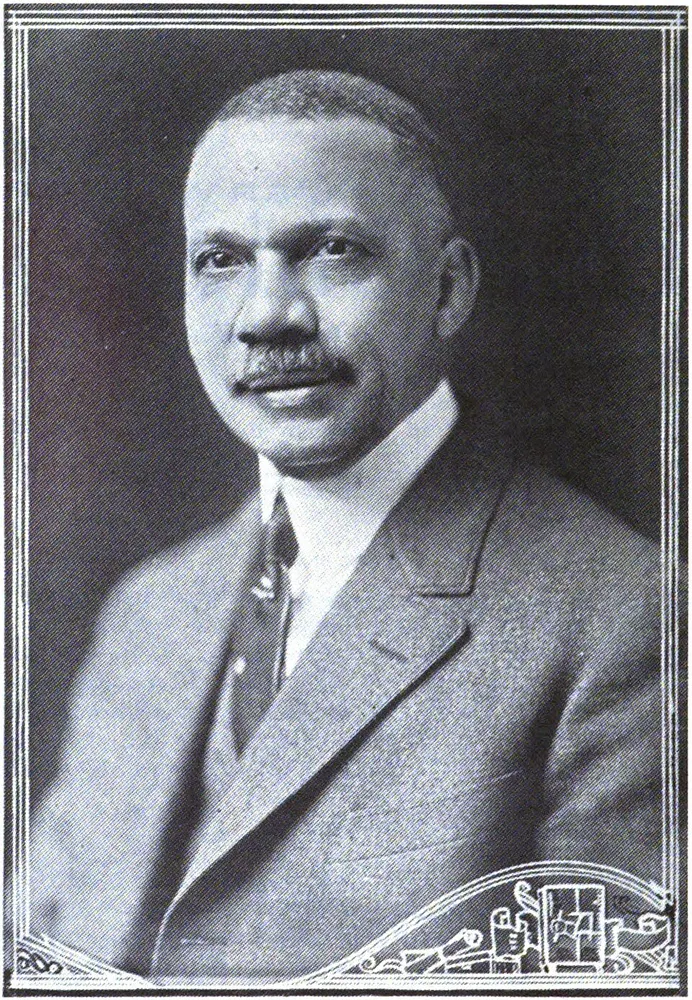
Detroit-born Jesse Binga made his money in Chicago real estate and founded a bank that served Black Chicagoans. The bank failed during the Great Depression and he was later convicted of embezzlement, a prosecution many in the Black community contested.
From Detroit to Chicago
Jesse Binga was born in Detroit, Michigan, on 10 April 1865. As a young man he travelled and worked in a range of jobs before settling in Chicago in the early 1890s; sources give 1892 or 1893 for his arrival.
Real estate on the South Side
Binga opened a real estate business on Chicago's South Side. As the Great Migration brought thousands of Black Southerners to the city in the early twentieth century, housing for Black families was scarce, and white landlords and neighbours often refused to rent or sell to them. Binga bought and leased buildings and rented them to Black tenants, opening up blocks that had been closed to them. His business grew with the community, and he became a major property owner on the South Side.
Building a bank
In 1908 Binga opened a private bank, the first bank owned by a Black person in Chicago. It served Black depositors who were often unwelcome at white-owned banks. In 1921 he received a state charter, and the business became the Binga State Bank. For a time it was one of the best-known Black-owned financial institutions in the United States.
The bombings
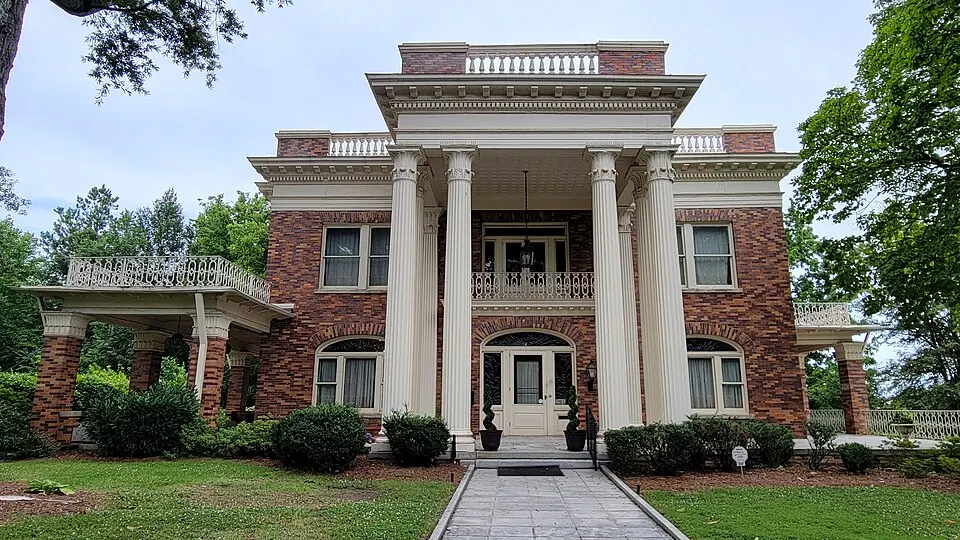
Binga's success and his role in opening housing to Black families made him a target. He bought a home at 5922 South Park Avenue (now Martin Luther King Drive), in a neighbourhood where white residents wanted to keep Black families out. The house was bombed repeatedly; one source counts seven attacks. Binga refused to move. The house is now a Chicago Landmark.
The bank fails
The Great Depression hit Black Chicago especially hard. On 31 July 1930 the state auditor closed the Binga State Bank, finding that its debts were far larger than its assets. Thousands of depositors lost their savings, and the collapse was a heavy blow to the South Side.
Binga was then investigated and charged with embezzlement. He was convicted and sent to prison. The case has long been argued over. Some commentators, including those cited by Block Club Chicago and WBEZ, describe the charges as harsher than a white banker in the same position would have faced, while others point to the losses suffered by ordinary depositors. Binga always said he was innocent. He was released on parole in the late 1930s.
Later years
Binga spent his last years in poverty, far from the wealth he had once held. He died in Chicago on 13 June 1950.
Legacy
Jesse Binga's story is told in Don Hayner's biography Binga: The Rise and Fall of Chicago's First Black Banker (Northwestern University Press). He is remembered as a builder who opened housing and banking to Black Chicagoans during the Great Migration, who stood his ground against violence, and whose fall showed how fragile Black wealth could be when the national economy collapsed.
Achievements
- 1908: Opened the first Black-owned bank in Chicago
- 1921: Received a state charter for the Binga State Bank
- Refused to leave his South Park Avenue home despite repeated bombings
- 1930: His bank was closed during the Great Depression
Related entries
Sources
- BlackPast.org, "Jesse Binga (1865-1950)" (Reference)
- Block Club Chicago, "Jesse Binga, Chicago's First Black Banker Who Refused To Let Bombings Stop His Ambition, Profiled In New Book" (Reference)
- WBEZ Chicago, "The story of Jesse Binga, an early black entrepreneur with social motives" (Reference)
- Don Hayner, Binga: The Rise and Fall of Chicago's First Black Banker (Northwestern University Press, 2019) (Scholarly)
- Axios Chicago, "The rise and fall of a Black banking icon" (2022) (Reference)
Share and cite
Cite this page
“Jesse Binga.” Kemet to Now, https://kemettonow.com/entry/jesse-binga.
Suggest a correction: opens once the database is connected.