Henry McNeal Turner
1834 – 1915
South Carolina and Georgia
Henry McNeal Turner was born free in South Carolina and became a minister of the African Methodist Episcopal Church. He was the first Black chaplain commissioned in the U.S. Army, a Reconstruction legislator in Georgia, and from 1880 an AME bishop who argued for Black emigration to Africa.
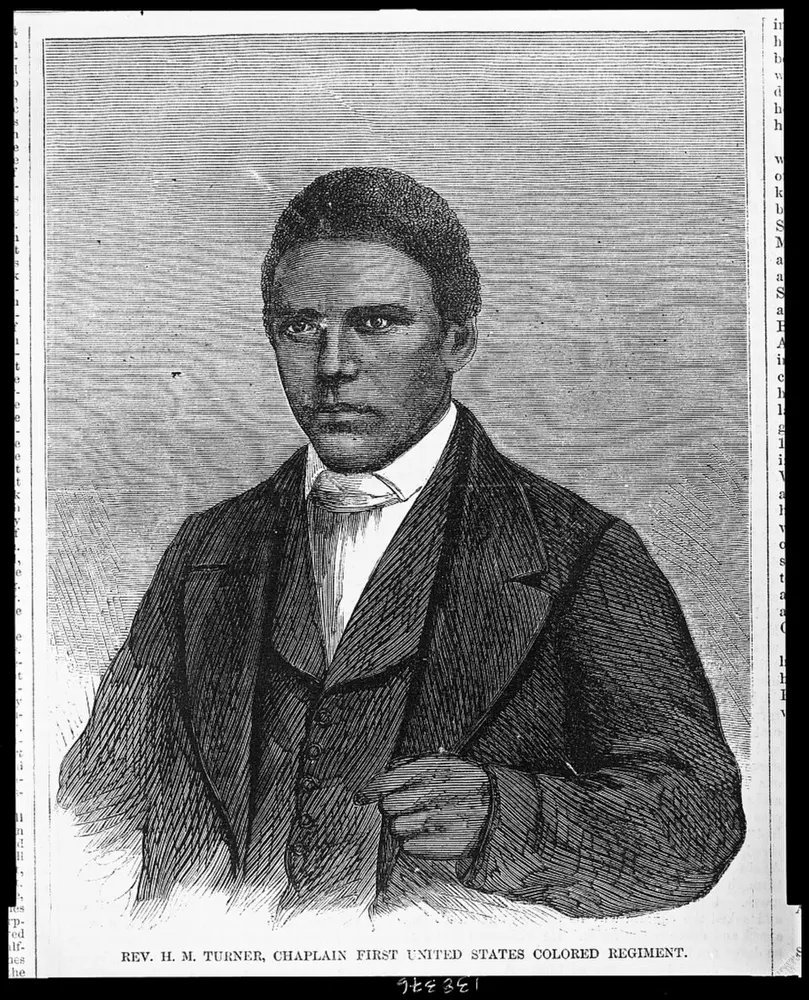
Born free in South Carolina
Henry McNeal Turner was born free on 1 February 1834 in South Carolina. Sources differ on the place: the Georgia Encyclopedia gives Newberry, and others say he grew up near Abbeville. He was licensed to preach in 1853, and later joined the African Methodist Episcopal (AME) Church, the independent Black denomination founded by Richard Allen.
Chaplain in the Civil War
In 1863, during the Civil War, he was commissioned chaplain of the 1st Regiment of United States Colored Troops, becoming the first Black chaplain in the U.S. Army. A Library of Congress photograph shows him in uniform in that role.
Expelled from the legislature
In 1868 Turner was elected to the Georgia House of Representatives from Macon. That year the white majority voted to expel the Black members, arguing that holding office was a right not open to people of African descent. Sources give different numbers for those expelled with him. Turner answered in a speech to the House that has become famous, asking "Am I a man?" and defending his right to sit.
Bishop and voice for emigration
In 1880 Turner was elected the twelfth bishop of the AME Church. He became one of the church's most outspoken leaders and a leading advocate of Black emigration to Africa, which he believed was Black Americans' best hope for equality and dignity. In 1894 he helped organise the International Migration Society, which chartered two ships. The Horsa sailed for Liberia in March 1895 and the Laurada in March 1896, carrying in all several hundred emigrants. The Georgia Encyclopedia notes that some returned, complaining of disease and poor prospects. Turner also promoted AME conferences in Liberia and Sierra Leone.
"God is a Negro"
Turner is remembered for insisting that Black people had every right to see God in their own image. In the 1890s he declared that "God is a Negro". PBS dates the remark to his speech at the first meeting of the National Baptist Convention in 1895, and he returned to the idea in his paper, Voice of Missions, in 1898.
Death and legacy
Turner died on 8 May 1915 in Windsor, Ontario, while travelling on church business. Historians, including the Colored Conventions Project, describe him as a forerunner of Marcus Garvey, whose movement for African redemption rose a few years after Turner's death. His life links Black Christianity, the fight for political rights in Reconstruction and the long tradition of Pan-African thought.
Achievements
- 1853: Licensed to preach
- 1863: Commissioned chaplain of the 1st U.S. Colored Troops, the first Black chaplain in the U.S. Army
- 1868: Elected to the Georgia House; expelled with the other Black members
- 1880: Elected the twelfth bishop of the AME Church
- 1894 to 1896: Helped organise the International Migration Society, whose ships carried emigrants to Liberia
- 8 May 1915: Died in Windsor, Ontario
Related entries
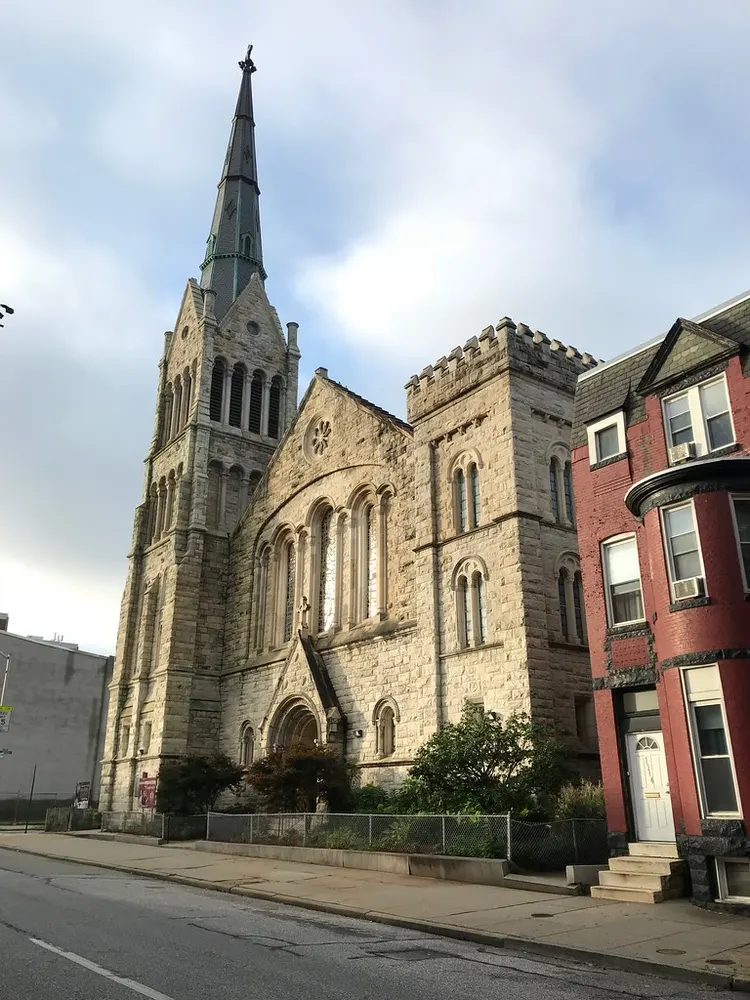 African Methodist Episcopal (AME) Church1816 – presentSpiritual Traditions
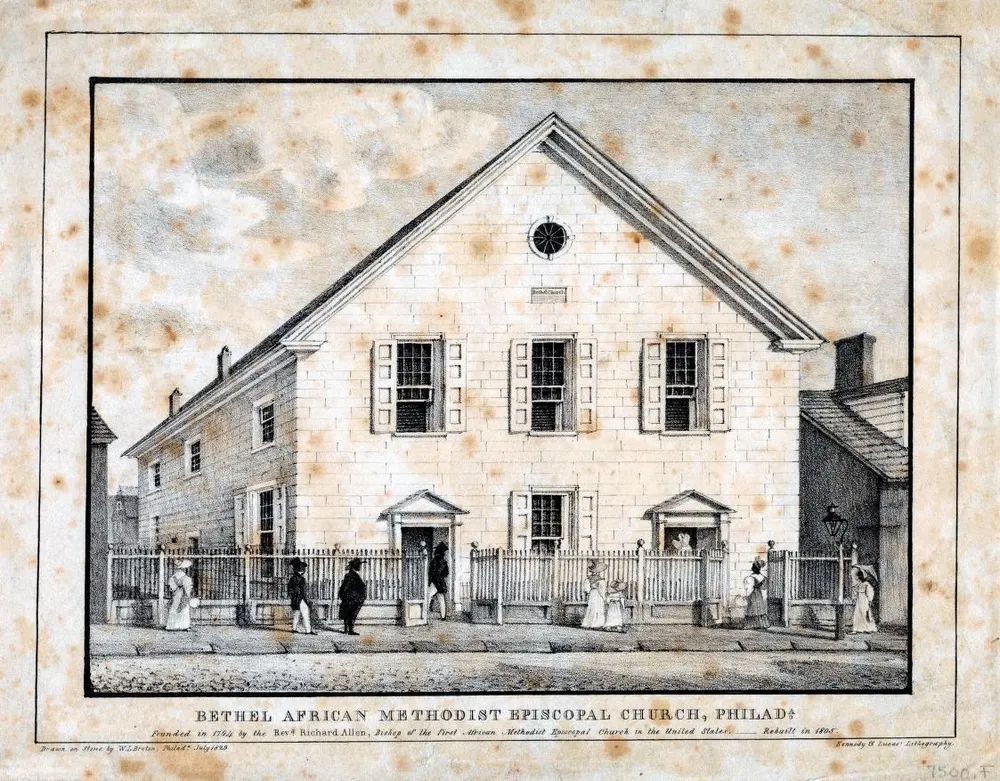 Richard Allen1760 – 1831Spiritual Traditions
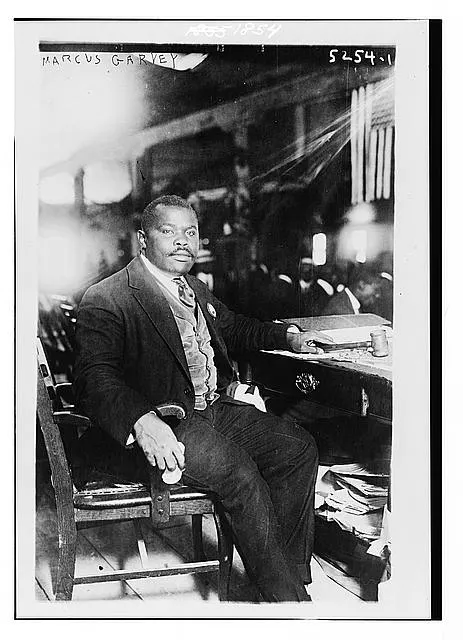 Marcus Garvey1887 – 1940Activists & Leaders
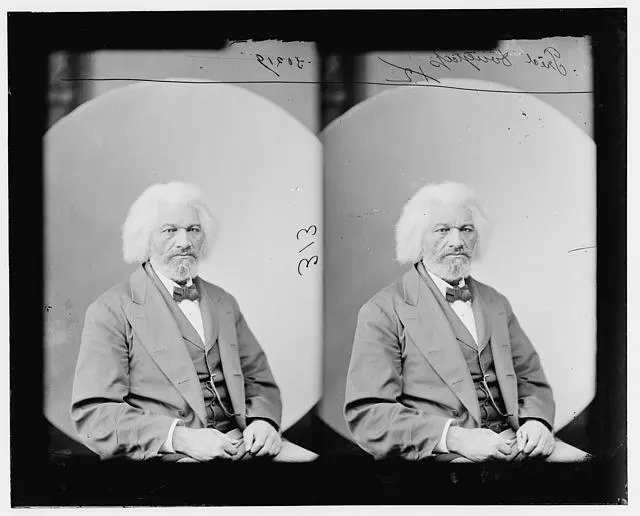 Frederick Douglass1818 – 1895Activists & Leaders
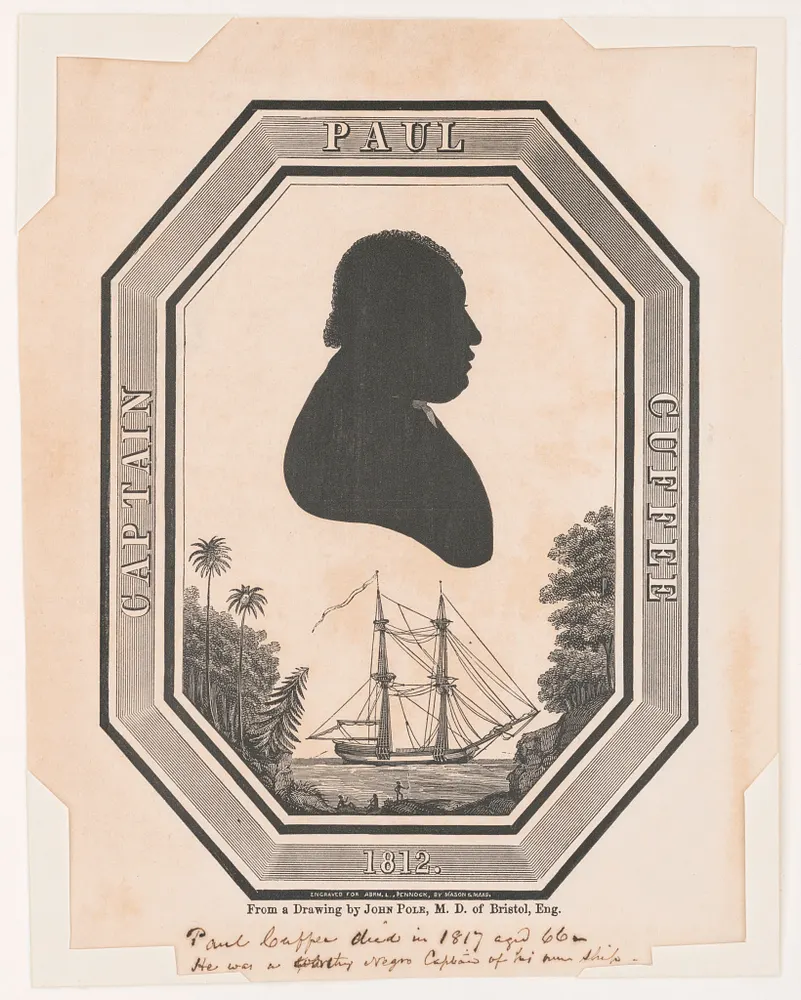 Paul Cuffe1759 – 1817Entrepreneurs & Business Pioneers
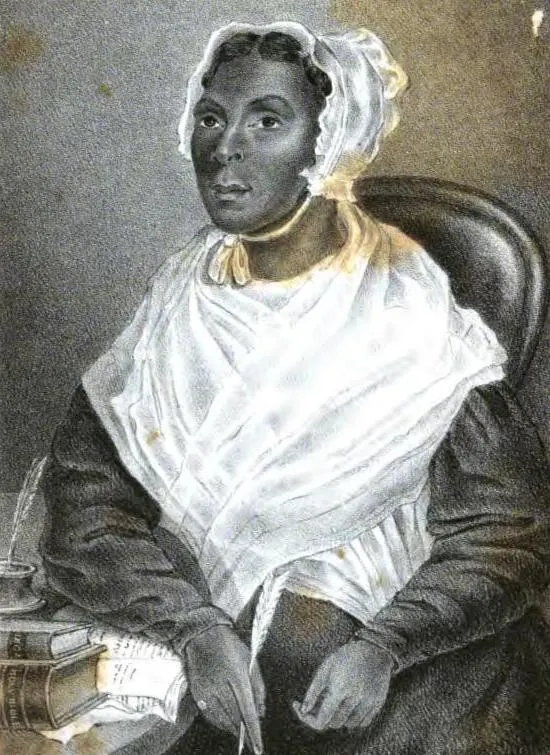 Jarena Lee1783 – after 1849Spiritual Traditions
Sources
- New Georgia Encyclopedia, "Henry McNeal Turner (1834-1915)" (Reference)
- South Carolina Encyclopedia (University of South Carolina), "Turner, Henry McNeal" (Scholarly)
- BlackPast, "Henry McNeal Turner (1834-1915)" (Reference)
- PBS, This Far by Faith, "Henry McNeal Turner" (Reference)
- Colored Conventions Project, "Before Garvey! Henry McNeal Turner and the Fight for Reparations, Emigration and Black Rights" (Scholarly)
- Boston University School of Theology, History of Missiology, "Turner, Henry McNeal (1834-1915)" (Scholarly)
Share and cite
Cite this page
“Henry McNeal Turner.” Kemet to Now, https://kemettonow.com/entry/henry-mcneal-turner.
Suggest a correction: opens once the database is connected.