Absalom Jones
1746 – 1818
Philadelphia, Pennsylvania
Absalom Jones was a Philadelphia clergyman who helped found the Free African Society and the African church that became St. Thomas African Episcopal Church. In 1802 he was ordained the first Black priest in the Episcopal Church.
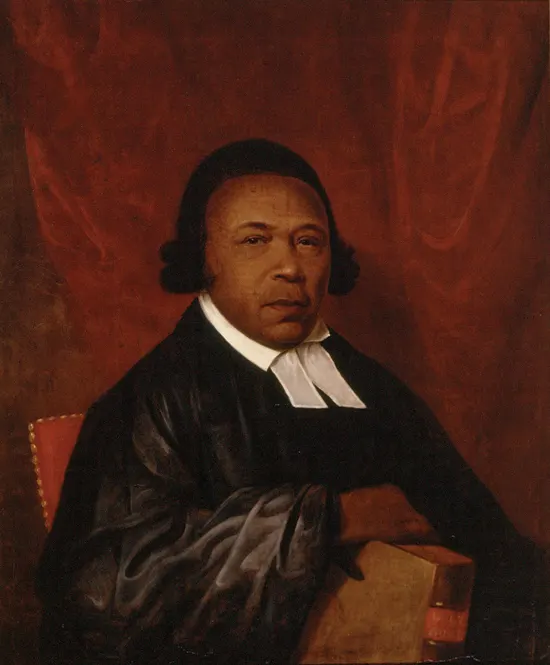
From Delaware to Philadelphia
Absalom Jones was born enslaved in Sussex County, Delaware, in November 1746 (sources give November 6 or 7). As a boy he was taken to Philadelphia by the man who held him in slavery. There, while still enslaved, he attended a night school for Black people run by Quakers.
In 1770 he married Mary Thomas, who was also enslaved, and he purchased her freedom. He later gained his own freedom as well, and by the 1780s he was a free man and a lay preacher among the Black Methodists of Philadelphia.
The Free African Society
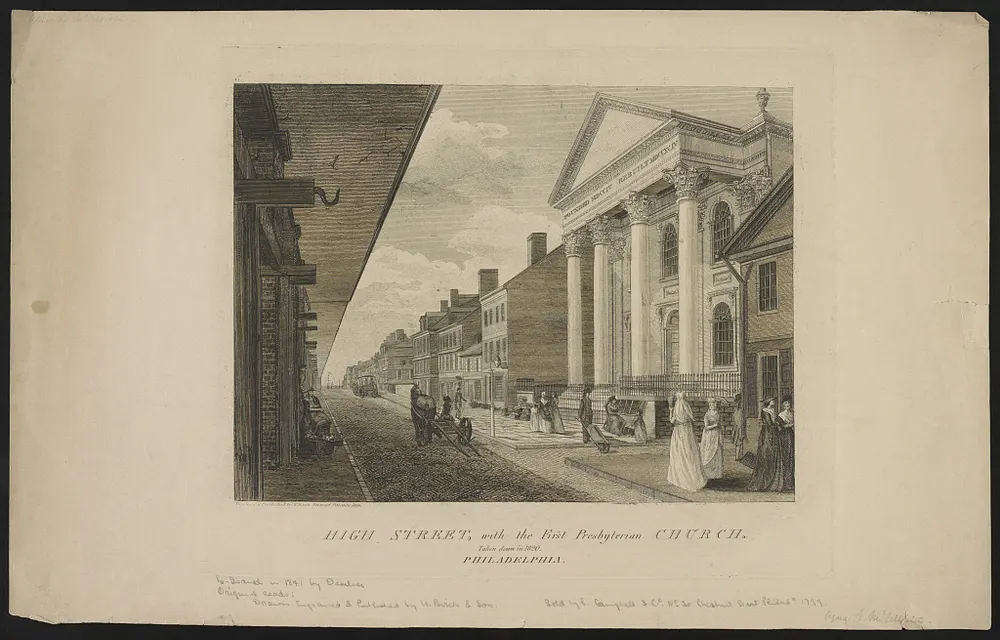
In 1787 Jones, Richard Allen and other free Black Philadelphians founded the Free African Society. Its members had left St. George's Methodist Church because of the discrimination they faced there. The society brought free Black people together for mutual support and became the seedbed of two of the earliest independent Black churches in the country.
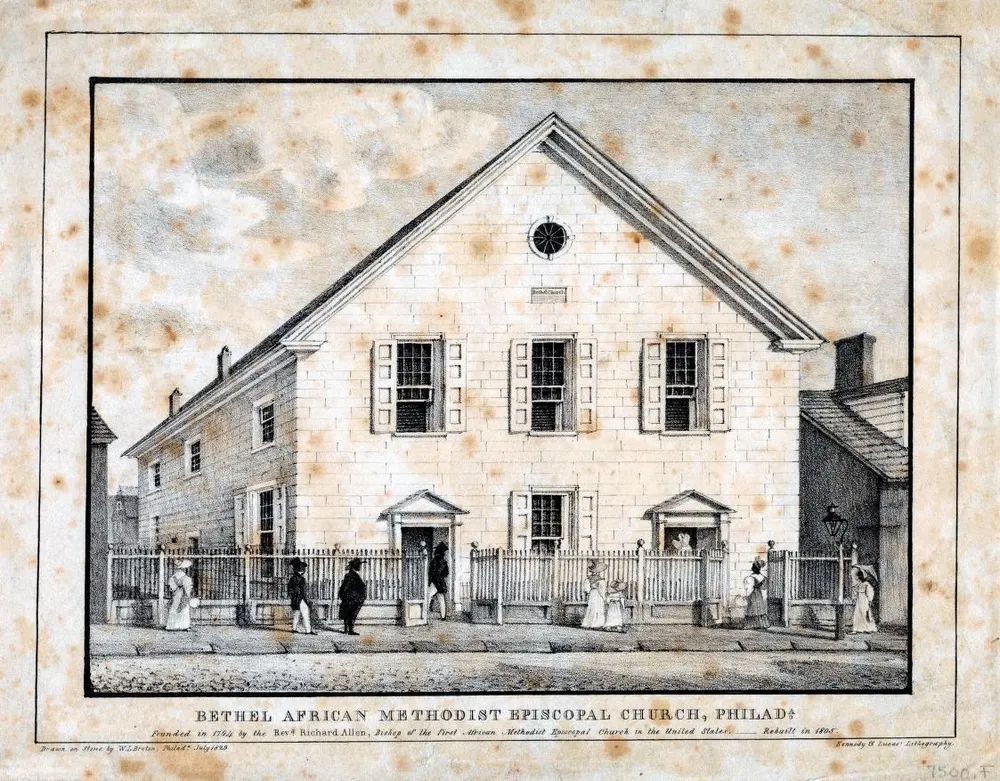
Jones and Allen took different paths. Allen remained a Methodist and founded Bethel Church, the beginning of the AME Church. Jones led a congregation that chose to join the Episcopal Church.
St. Thomas African Episcopal Church
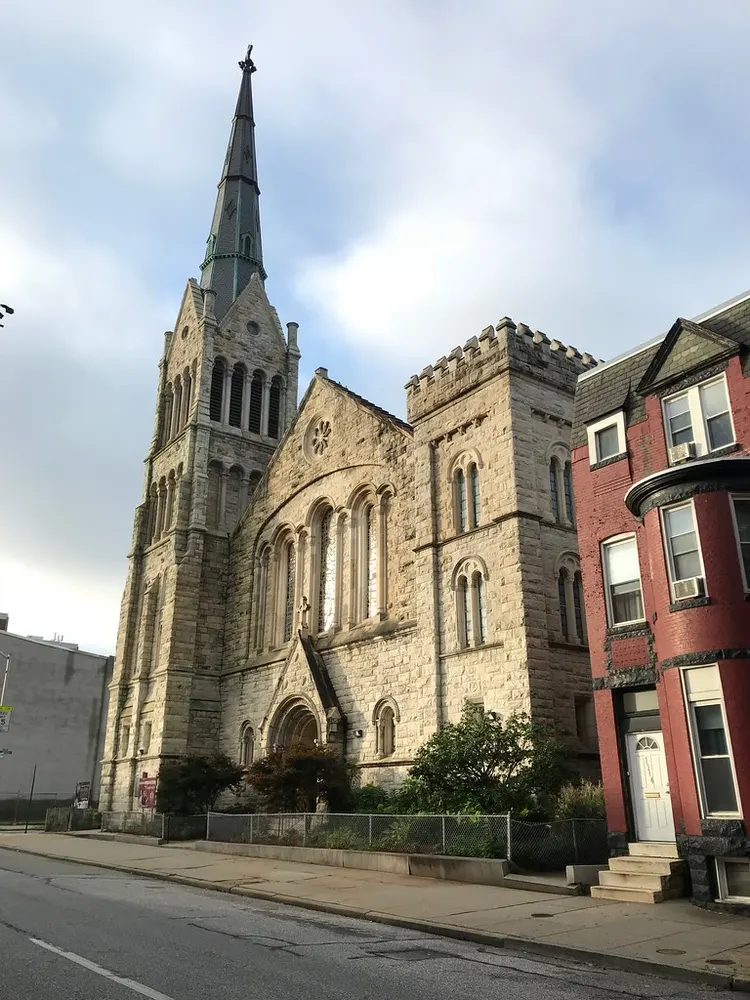
The congregation Jones led dedicated its church on July 17, 1794. Later that year it was received into the Episcopal Diocese of Pennsylvania as the African Episcopal Church of St. Thomas; sources give the date of admission as August or October 1794. It is described as the first Black Episcopal parish in the United States and the first Black church in Philadelphia.
Joining the diocese came with conditions. One source explains that the congregation kept control over its own affairs but gave up a share in governing the wider diocese. Jones was licensed as a lay reader in 1794 and ordained a deacon in 1795. In 1802 Bishop William White ordained him a priest, making him the first Black priest in the Episcopal Church. (BlackPast gives the year of his priesthood as 1804.)
Caring for the city in 1793
During the yellow fever epidemic that struck Philadelphia in 1793, Jones and Allen, then the leaders of the city's Black Methodists, organized Black residents to nurse the sick and bury the dead. When their work was criticized in print, the two men wrote A Narrative of the Proceedings of the Black People, During the Late Awful Calamity in Philadelphia, which defended the volunteers and condemned the oppression of Black Americans, enslaved and free.
A voice against slavery
Jones was an outspoken opponent of slavery. In 1797 and again in 1799 he joined other free Black Philadelphians in petitioning Congress against slavery; the 1799 petition, which he drafted, was signed by seventy-three other African Americans and urged an end to slavery. In 1800 he called on Congress to abolish the slave trade and to provide for the gradual emancipation of enslaved people.
Death and remembrance
Absalom Jones died in Philadelphia on February 13, 1818 (one source gives February 3). The Episcopal Church honours him each year on February 13, his feast day, and St. Thomas African Episcopal Church, the congregation he led, still continues today.
Achievements
- 1794: St. Thomas African Episcopal Church accepted into the Episcopal diocese; Jones licensed as lay reader
- 1795: Became a deacon
- 1802: Ordained priest, the first Black priest in the Episcopal Church
- 1799: Drafted an antislavery petition to Congress signed by 73 other Black Philadelphians
Related entries
Sources
- Archives of the Episcopal Church, "Absalom Jones, 1746-1818" (The Church Awakens) (Primary source)
- Encyclopedia.com, "Jones, Absalom" (Reference)
- EBSCO Research Starters, "Absalom Jones" (Reference)
- Temple University Libraries, William Still exhibit, "Jones, Absalom" (Reference)
- Historical Society of Pennsylvania, "African Episcopal Church of St. Thomas" (Reference)
- The Episcopal Diocese of Pennsylvania, "Absalom Jones" (Reference)
Share and cite
Cite this page
“Absalom Jones.” Kemet to Now, https://kemettonow.com/entry/absalom-jones.
Suggest a correction: opens once the database is connected.